- An Exacting Technique Woven with Warp and Weft
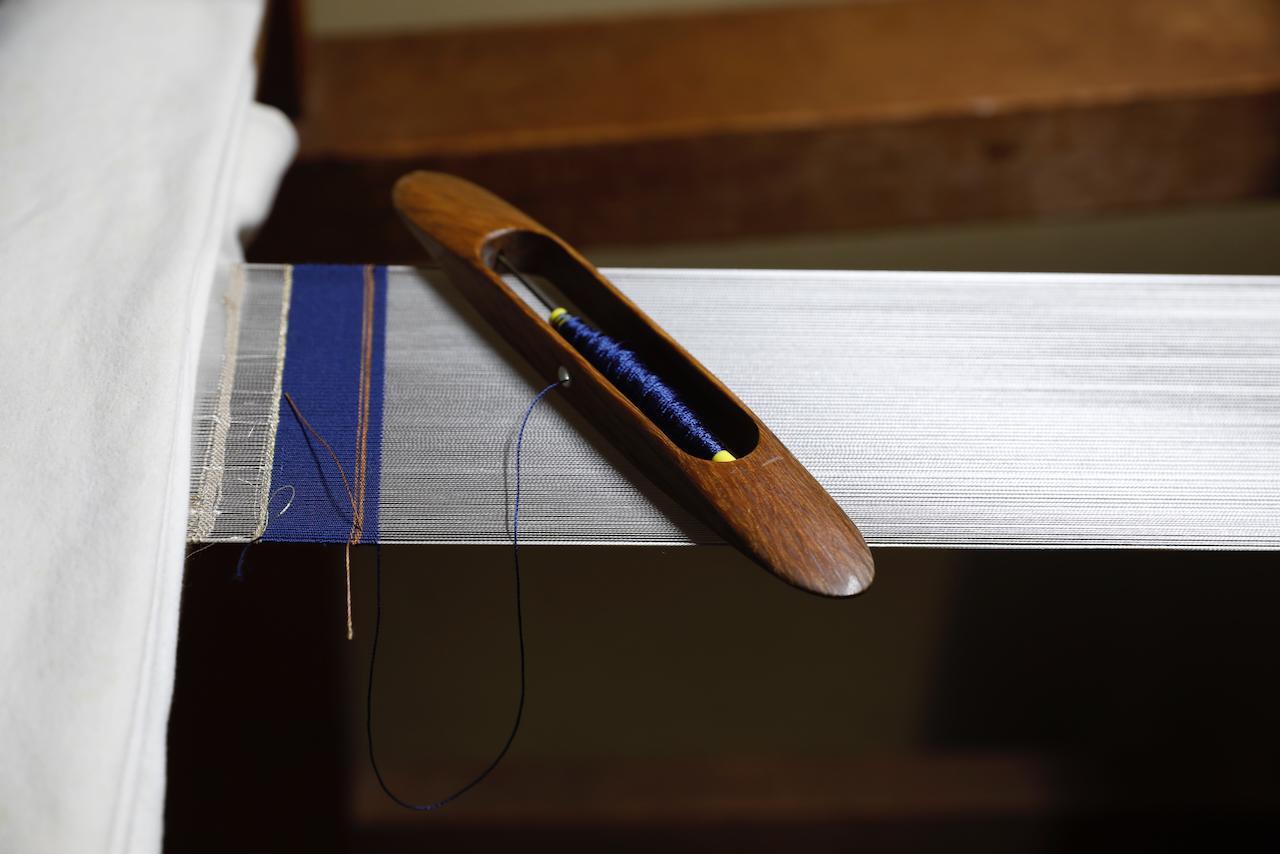
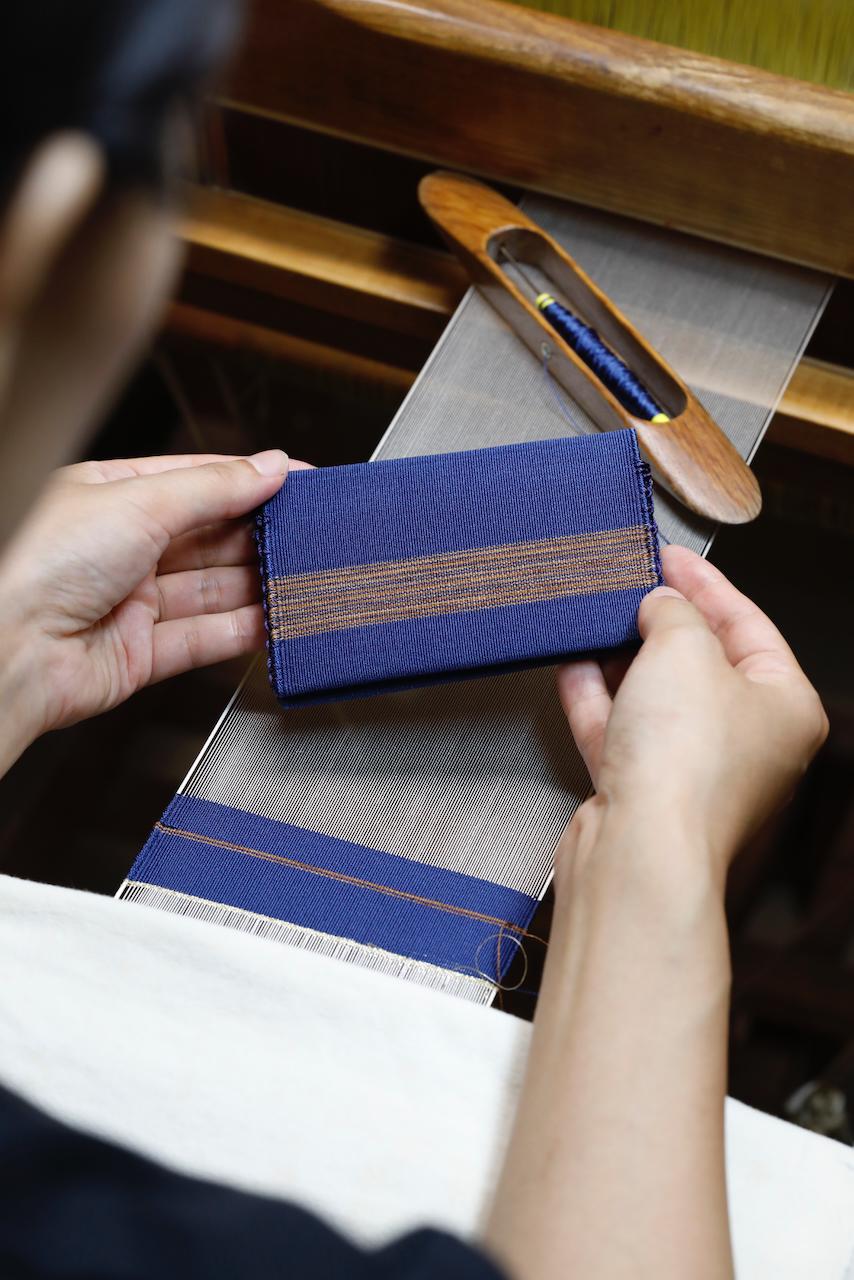
Tsuzure-ori is one of Japan's traditional weaving techniques. Known for its delicate, beautiful patterns, it is used mainly for Japanese garments such as kimono and obi. Tsuzure-ori was particularly favored for kimono worn on prestigious occasions and national holidays. The technique combines warp and weft yarns: the warp threads run lengthwise, while the weft threads pass across them. Although Tsuzure-ori can produce exceptionally complex and detailed designs, it requires a great deal of time and labor. For this reason, only highly skilled craftspeople can weave fine Tsuzure-ori.


Tsuzure-Ori Textile Studio
Weaving the Impossible
Nishiyama, Kyoto



Tsuzure-ori is one of Japan's most demanding textile traditions, historically used for high-grade kimono and obi. Images are created by switching individual weft threads by hand, one color and one strand at a time — a process requiring immense patience, precision, and skill.
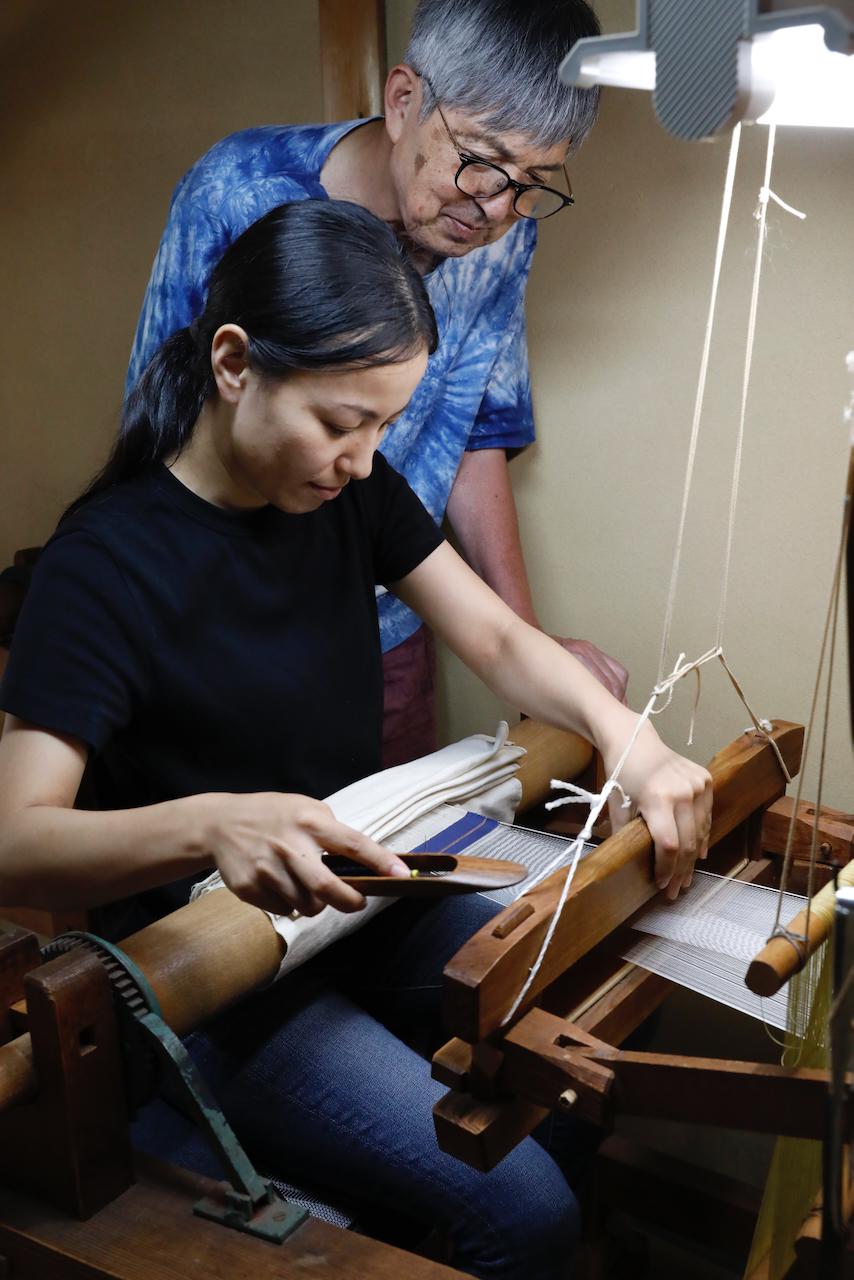
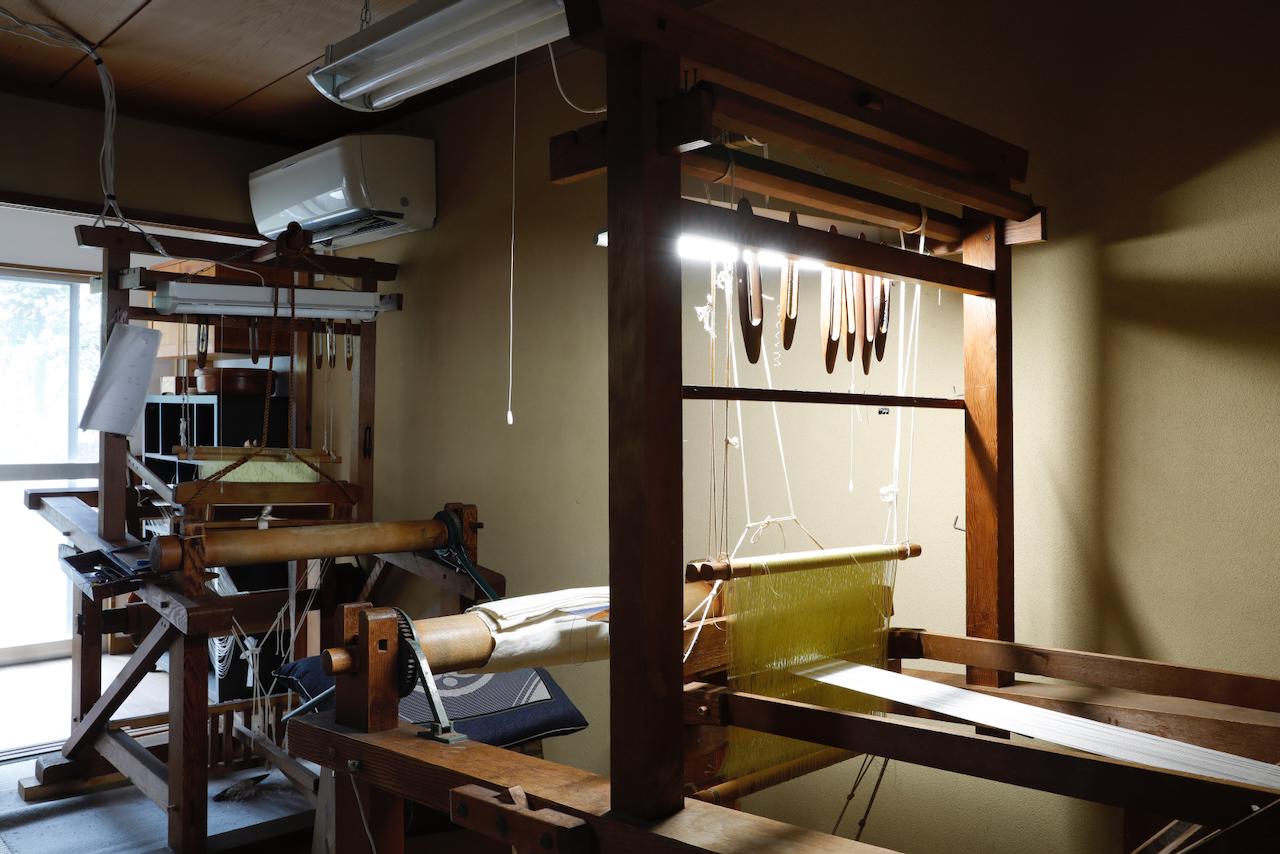
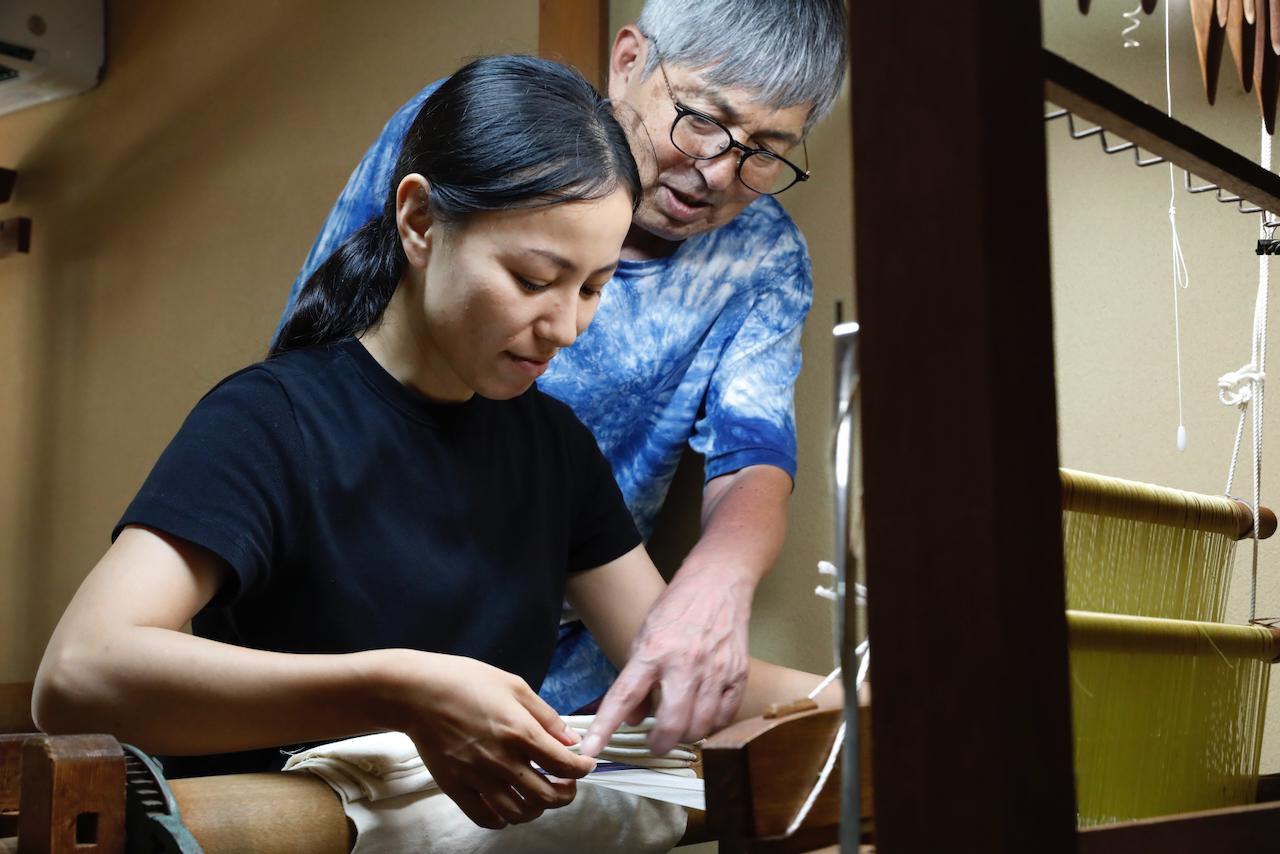
In this experience, guests visit a rarely opened Tsuzure-ori studio in western Kyoto and observe the weaving process up close. The slow rhythm of the loom and the meticulous work of the artisans offer a glimpse into a world far removed from modern production.
The studio is also engaged in an ambitious project to recreate Katsushika Hokusai's Thirty-Six Views of Mount Fuji in woven form, translating iconic woodblock prints into textiles.
Alongside the studio visit, guests create their own naturally dyed scarf using plant-based dyes. More than making an object, the experience offers rare access to a living tradition sustained by time, dedication, and artistic vision.


- Warm Works of Art Made Together as a Family
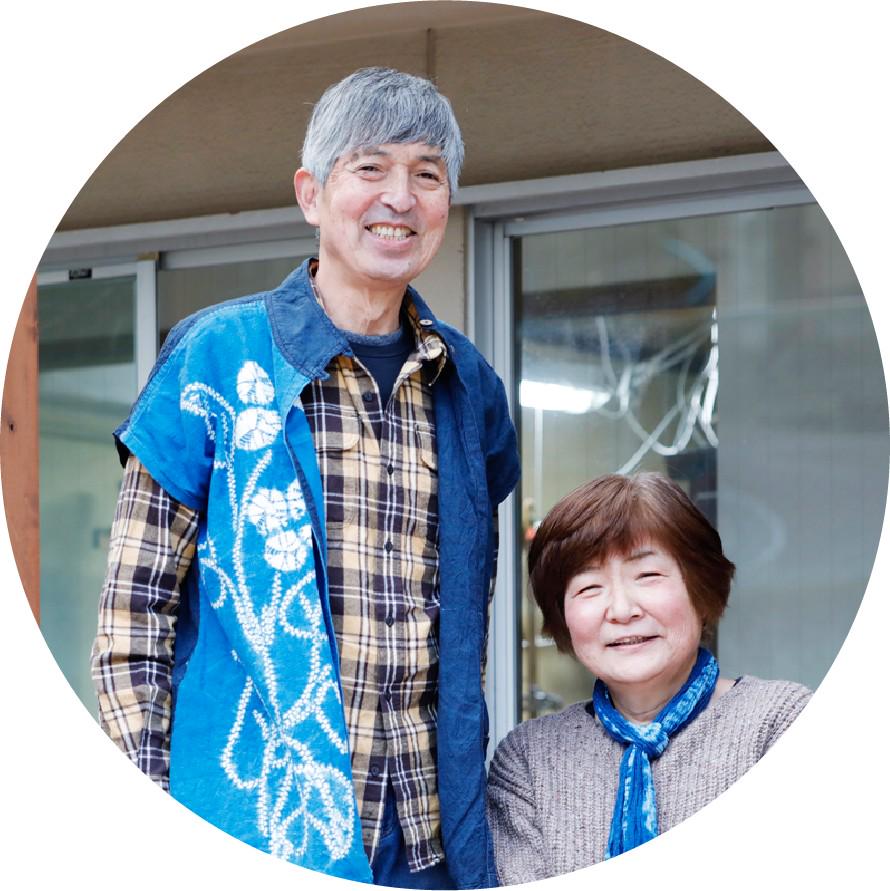
The gentle sound of the loom and the sight of threads coming together create a soothing atmosphere. The Kono family runs a studio in Kyoto's Otokuni area, where they modernize the traditional Tsuzure-ori technique to create a wide variety of works. Tsuzure-ori is prized for its distinctive luster, and its appeal deepens with use. The family's pieces express the quality, charm, and joy of the technique, as well as the warmth of their personalities. The family dyes its own yarn with natural plants and indigo for both Tsuzure-ori and Hira-ori weaving. At the back of the studio, they experiment with the dyes and enjoy seeking out beautiful colors. The husband has also recreated ukiyo-e, a renowned form of Japanese art, in Tsuzure-ori. He approaches every project with a spirit of challenge and enjoyment.






- Tsuzure-ori Weavers
- Shigeru & Junko Kohno
- This family-run studio is located in a residential area surrounded by nature in Oyamazaki, Kyoto Prefecture. The family dyes yarn with plants and trees, weaves stoles, and makes bags from the finished cloth. Using Tsuzure-ori, a traditional Kyoto weaving technique, they also create business card holders, wallets, and purses from their dyed yarn.
Access
10 minutes by train and 15 minutes by taxi from Kyoto Station
The marker shows the approximate area.
The exact address will be provided when your reservation is confirmed.
Experiences
- Reserve
Hira-Ori Coaster & Natural Dyeing Experience
14,800 JPY / personEnter a family textile studio in western Kyoto to discover how natural dyeing supports both traditional Tsuzure-ori and approachable Hira-Ori weaving. Observe the artisans at work, learn how plant materials produce color, and experience the studio’s quiet rhythm away from the city center.
Use natural dyes to color a handkerchief, then weave one Hira-Ori coaster under the artisans’ guidance. Take both pieces home on the day. This plan offers an accessible introduction to the studio’s materials and techniques through two small, functional textiles.

- Reserve
Tsuzure-Ori Card Case & Natural Dyeing Experience
12,600 JPY / person 〜Visit a rarely opened family textile studio in western Kyoto and observe the exacting process of Tsuzure-ori, a tapestry-weaving tradition historically used for prestigious kimono and obi. The artisans also introduce their natural dyeing practice and ambitious work translating Hokusai’s Thirty-Six Views of Mount Fuji into woven form.
Use natural dyes to color a handkerchief, then briefly try part of the demanding Tsuzure-ori process for your card case. Because this highly skilled weaving advances slowly, the artisans complete the piece after your visit and ship it approximately one to two months later.
