- Dividing Space and Supporting Daily Life
Sudare have been part of Japanese daily life since ancient times. Different materials and forms are used for different purposes, from summer blinds that provide relief from the heat to refined misu that define sacred or formal spaces.
Misu are finely finished bamboo blinds. In ancient Japan, they were used to separate people from deities and nobles from commoners. Noblewomen also used them as screens when meeting people outside their families or those of lower status. More than 1,000 years later, misu are still used in temples and shrines.
Sudare made from yoshi reeds, by contrast, were used by ordinary people to block the summer sun, keep insects out, and screen the interior of the home from view. Hanging sudare can lower the temperature of a room by approximately 3–4°C. They remain common in Kyoto, where summers are hot and humid, and are a familiar seasonal sight in the city’s streets. Learning about the varied roles of sudare offers insight into Japanese approaches to climate, privacy, and space.


Contemporary Sudare Experience
Woven Light for Your Home



For centuries, sudare has shaped the way Japanese homes filter light, air, and space. In this Kyoto studio, that tradition is reimagined through contemporary interior design, transforming bamboo and thread into pieces that feel equally at home in modern living spaces.
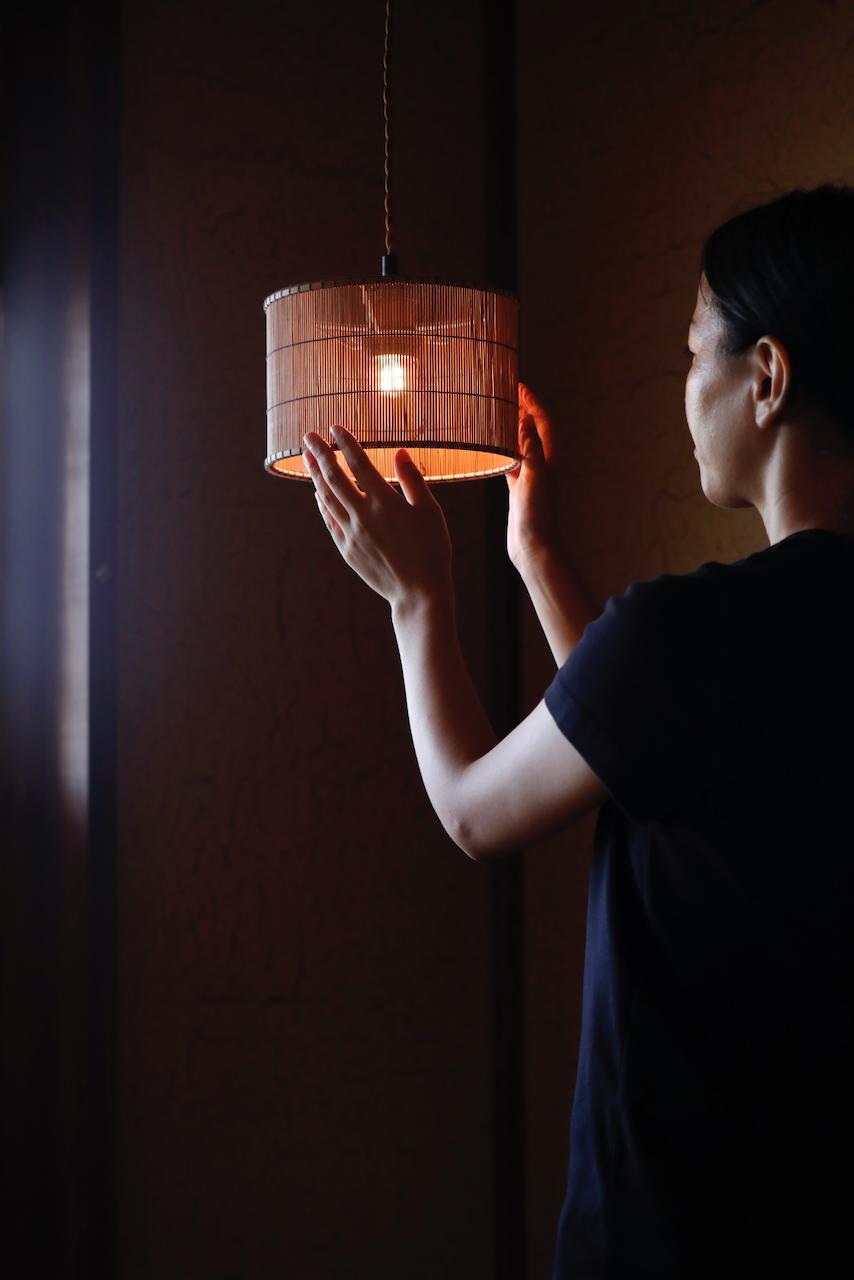
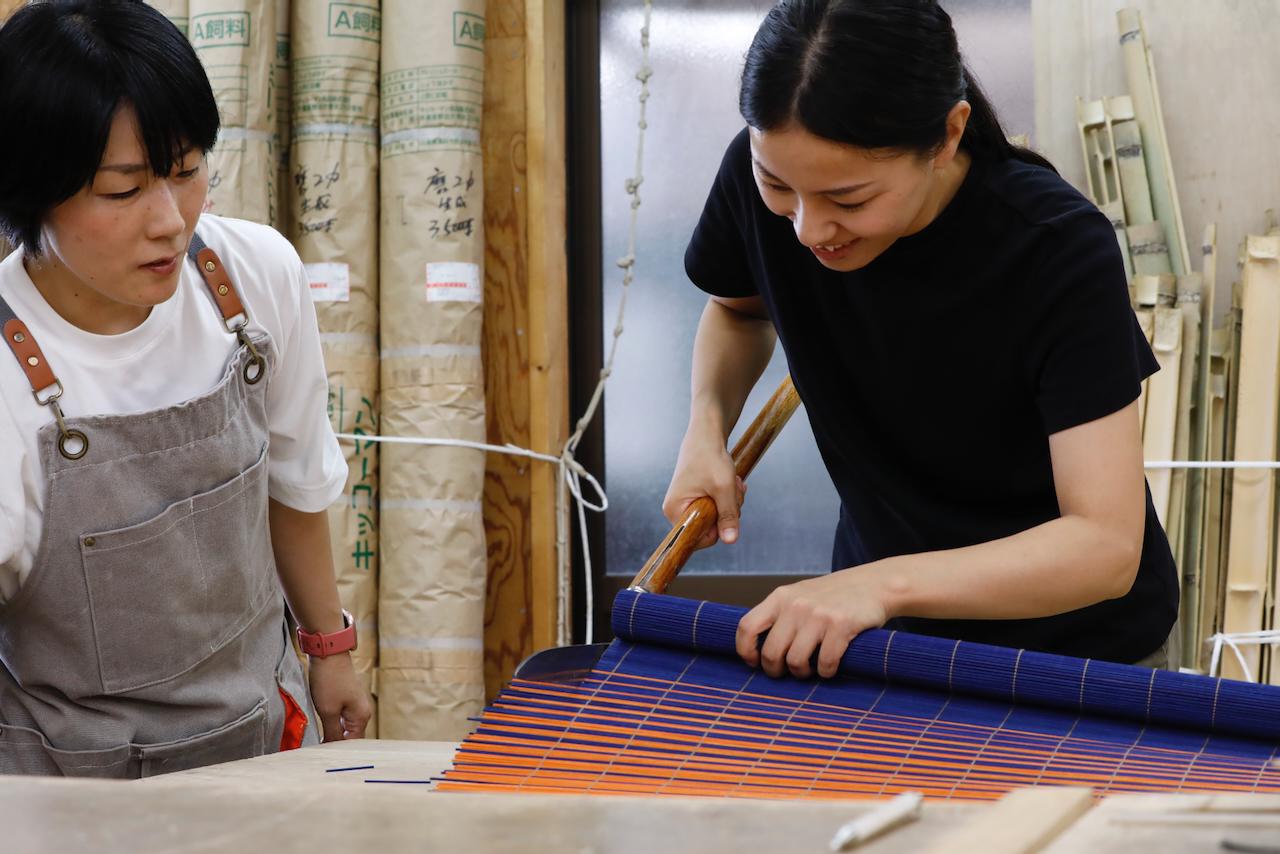
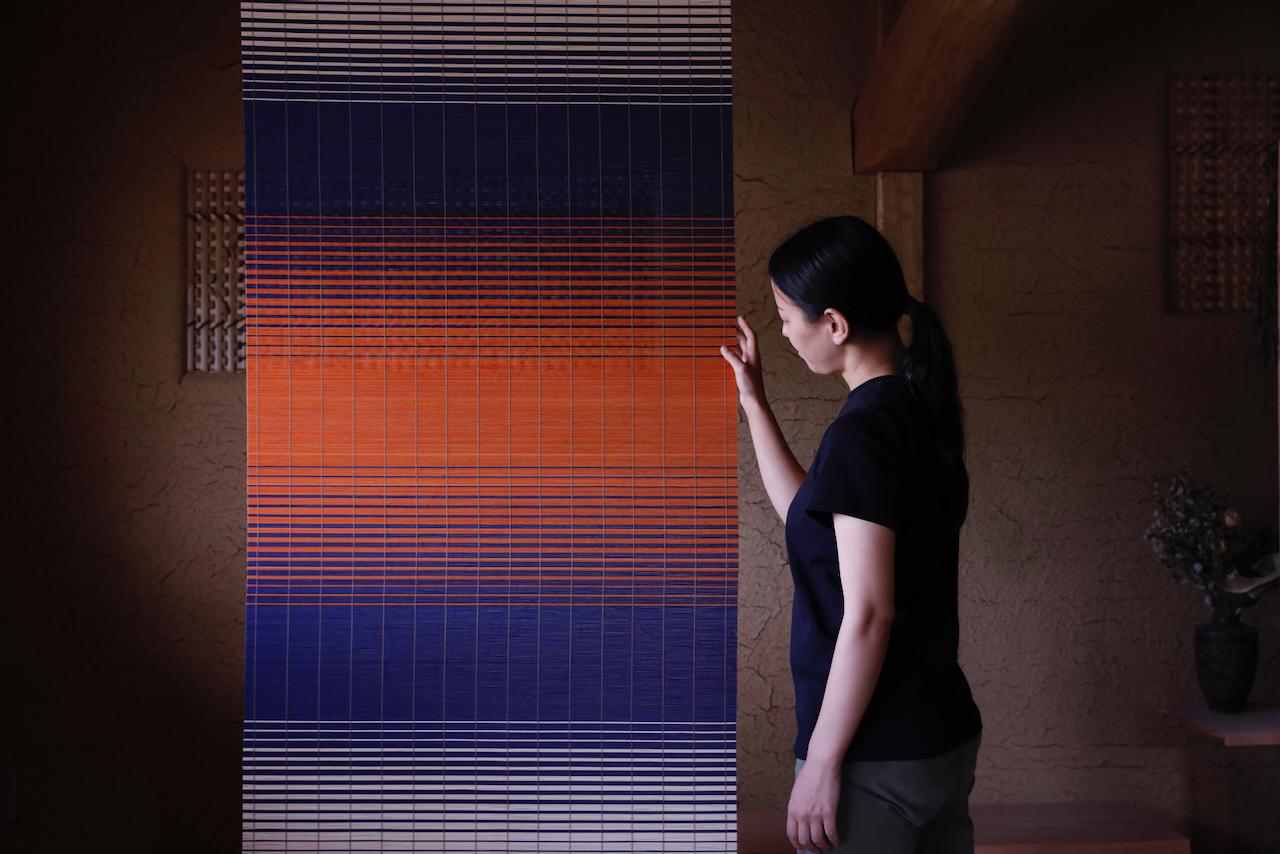
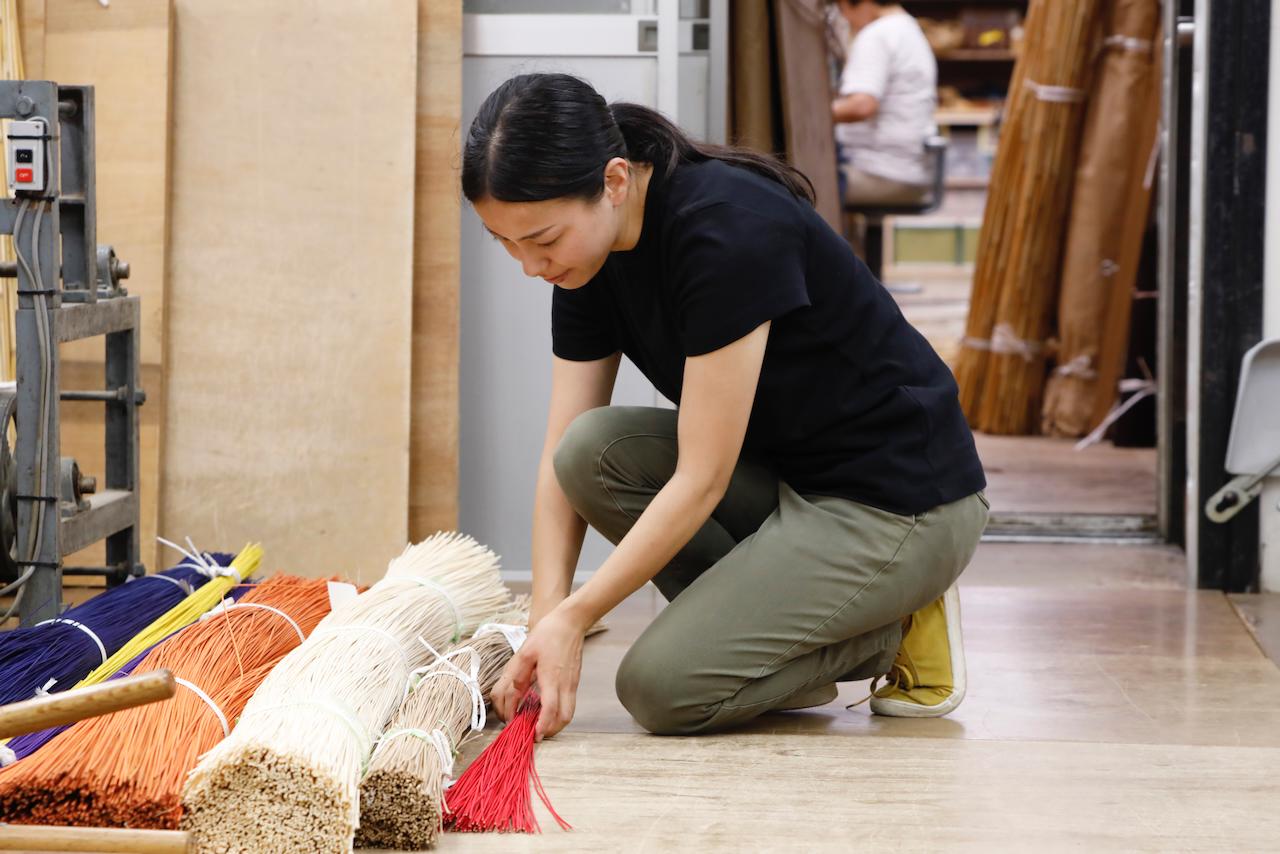
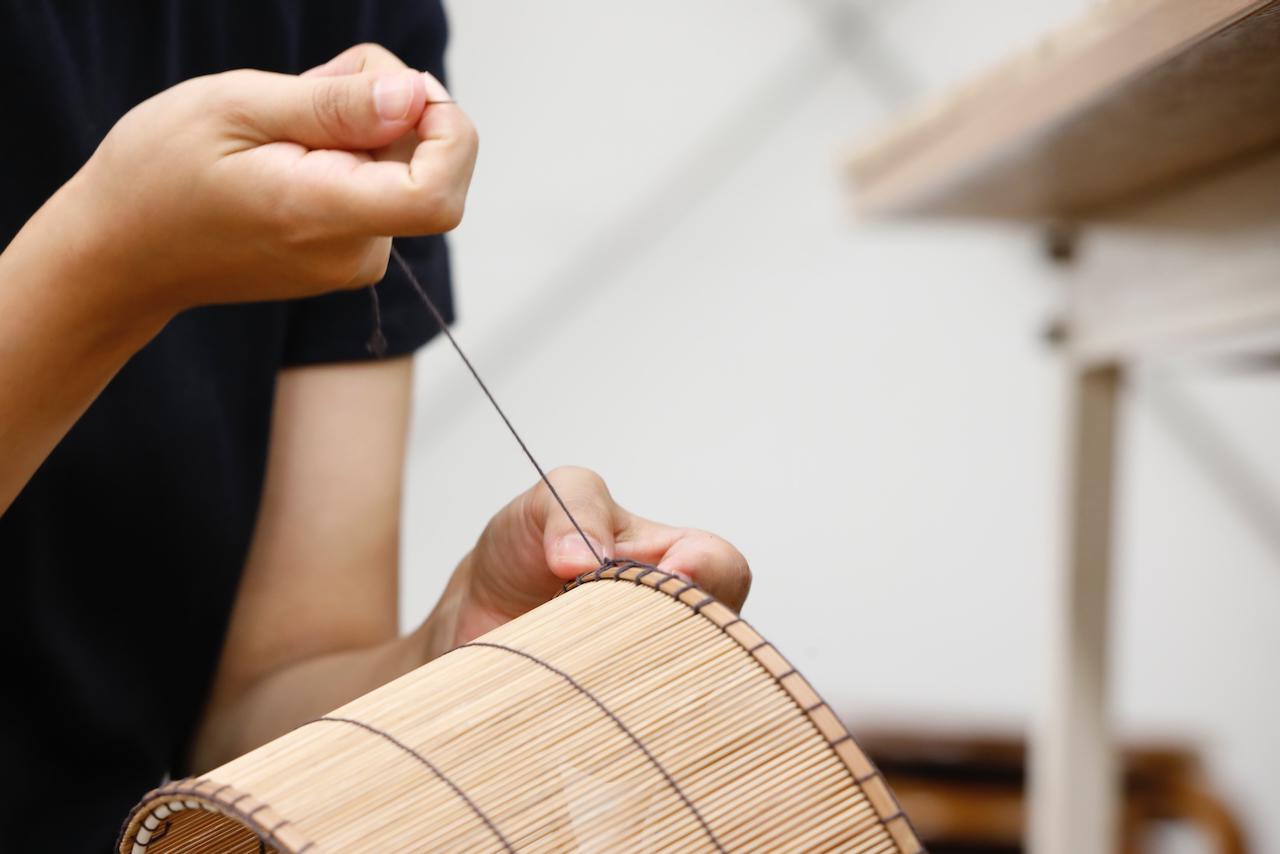
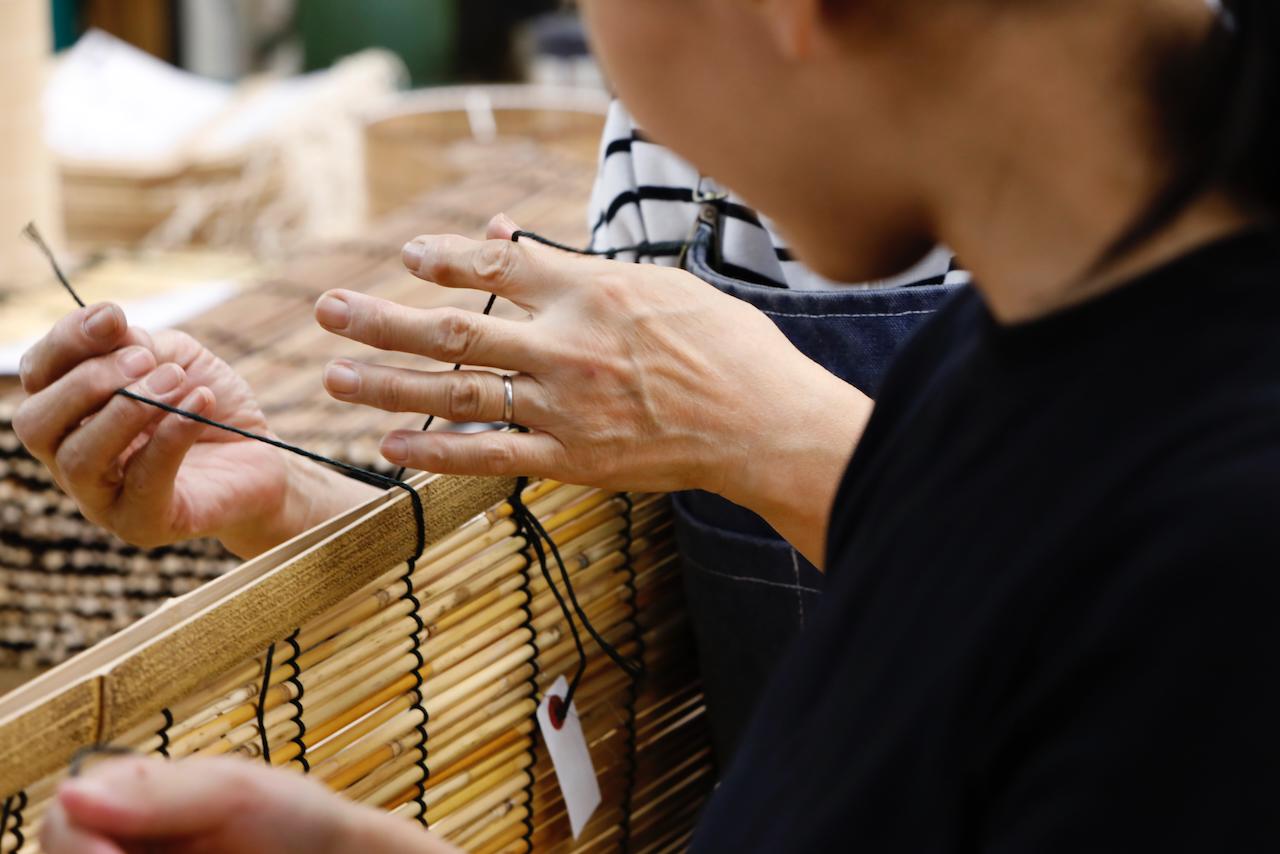
Guests create either a handcrafted lampshade or a decorative screen using techniques inspired by traditional sudare making. While traditional sudare are often left in natural tones, this studio has developed methods for dyeing bamboo in a wide range of colors, opening new possibilities for expression through an established craft.
Before the experience, participants select their preferred color palette and create a piece that reflects both Japanese tradition and their own design sensibility. The freedom to combine colors often leads to unexpected results, occasionally revealing combinations that surprise even the artisans themselves.
More than a souvenir, the finished work becomes part of your living space — a lasting reminder of your time in Kyoto that can be enjoyed for years to come.


- Craftspeople Preserving the Machines and Skills of Sudare Studios Across Japan
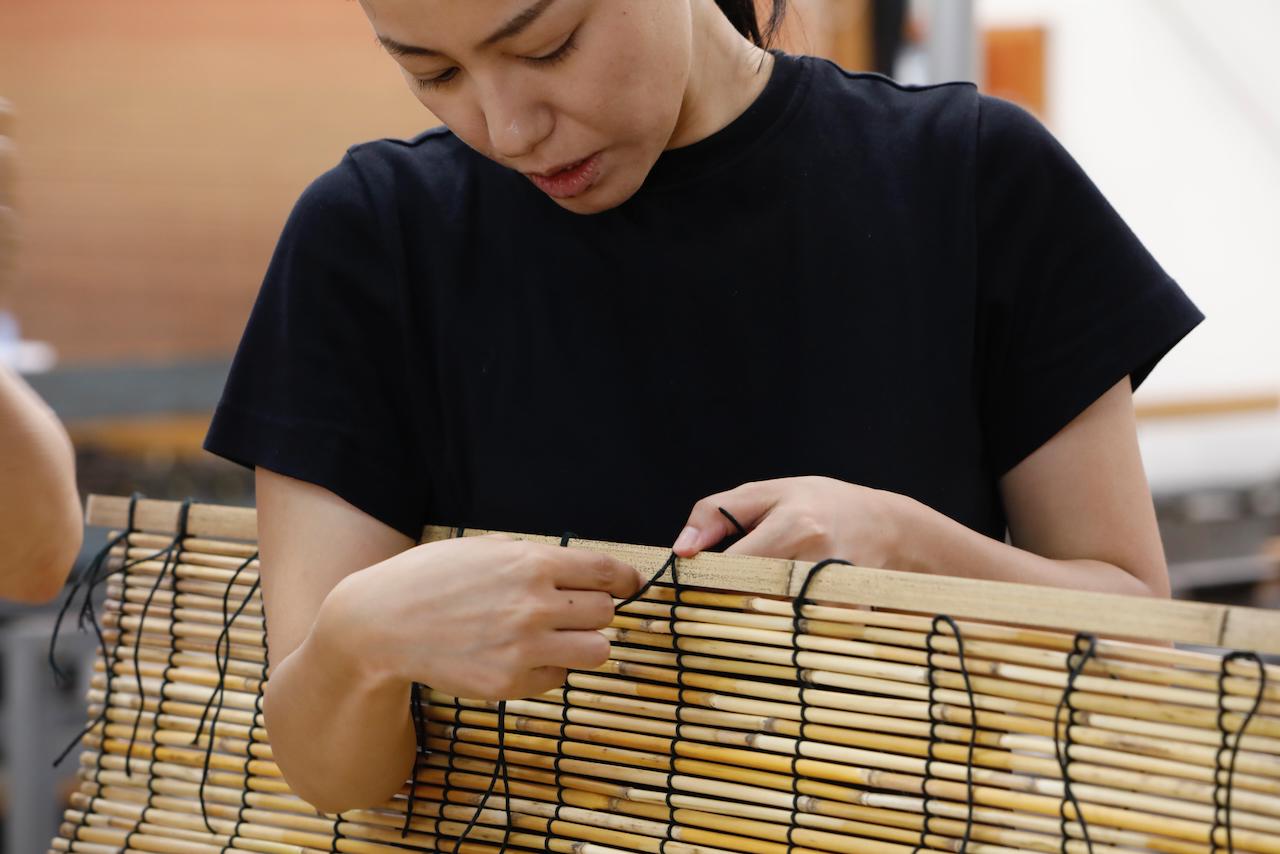
Kyo-Sudare Kawasaki is one of the few studios in Japan whose craftspeople still weave sudare by hand. Using natural materials including reeds, bamboo, and makomo sourced in Japan and overseas, they produce a wide range of works, from sudare and misu to lighting and other interior pieces.
Located near Kameoka Station, about 25 minutes by train from Kyoto Station, the studio is housed in a log building with its own exhibition hall. Visitors encounter a broad selection of traditional sudare and misu alongside imaginative contemporary bamboo blinds.
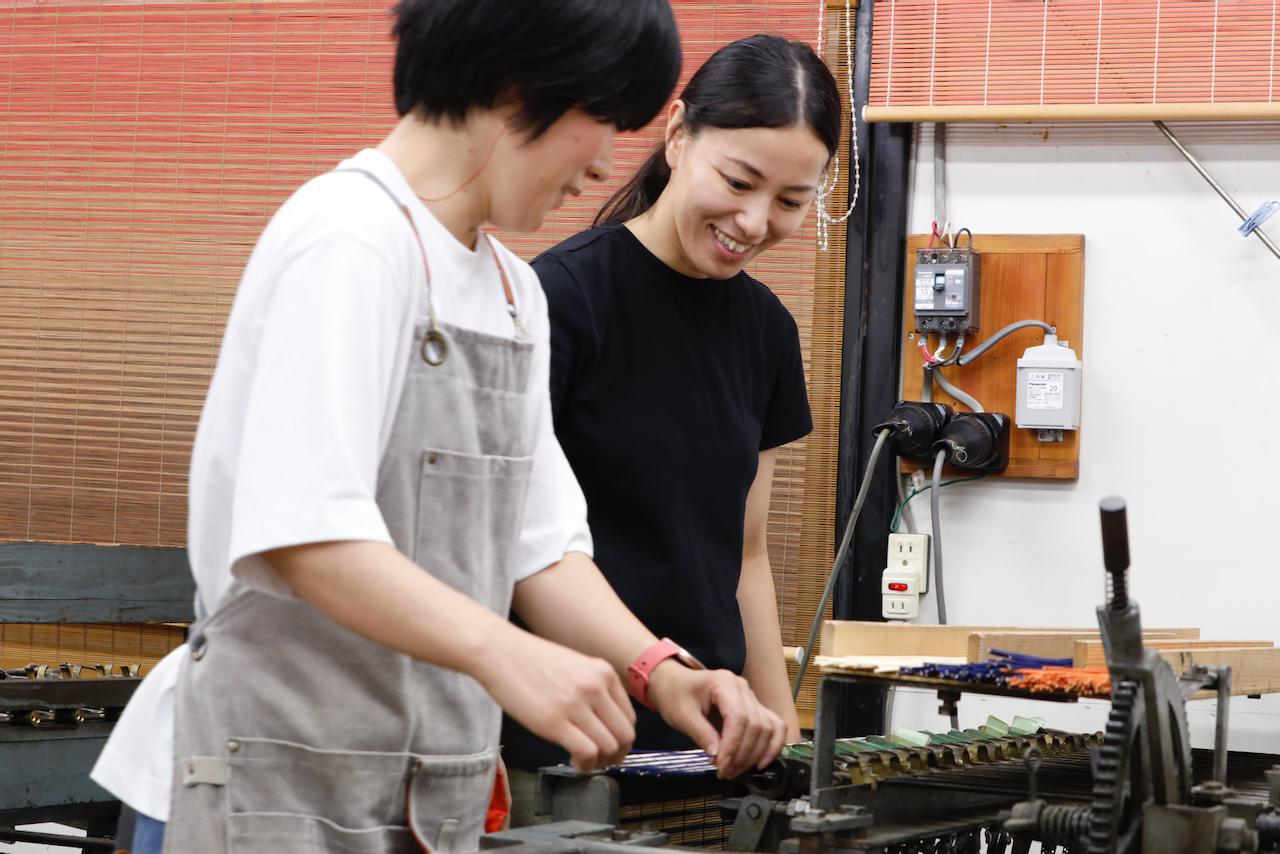
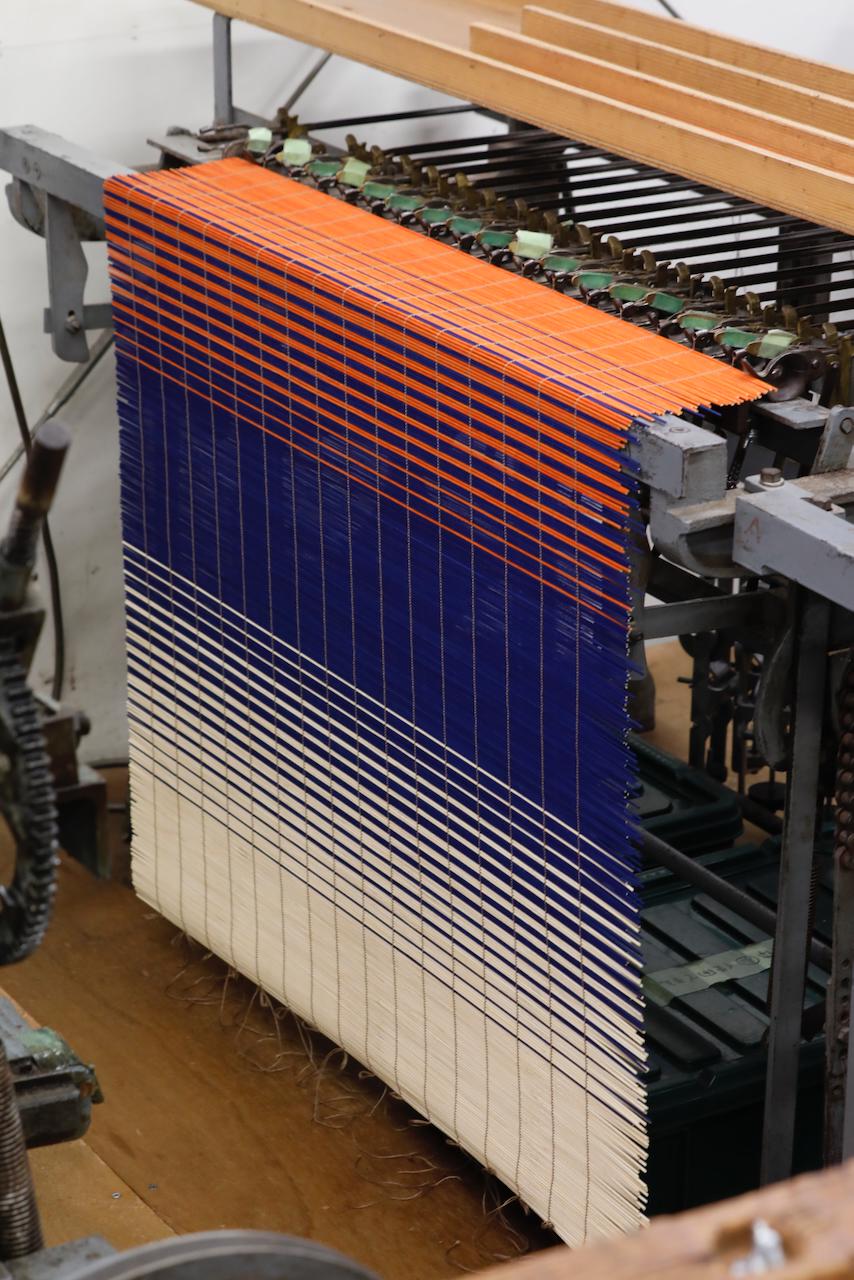
The studio contains a row of sudare-weaving machines, the oldest of which has been used for approximately 50 years. Because these machines are now rare, Kyo-Sudare Kawasaki sometimes receives equipment from other sudare makers when they close. With no specialists available to repair the machines, the craftspeople maintain them themselves, preserving both the equipment and the intentions of their former owners for the next generation.













- Kyo-Sudare Kawasaki
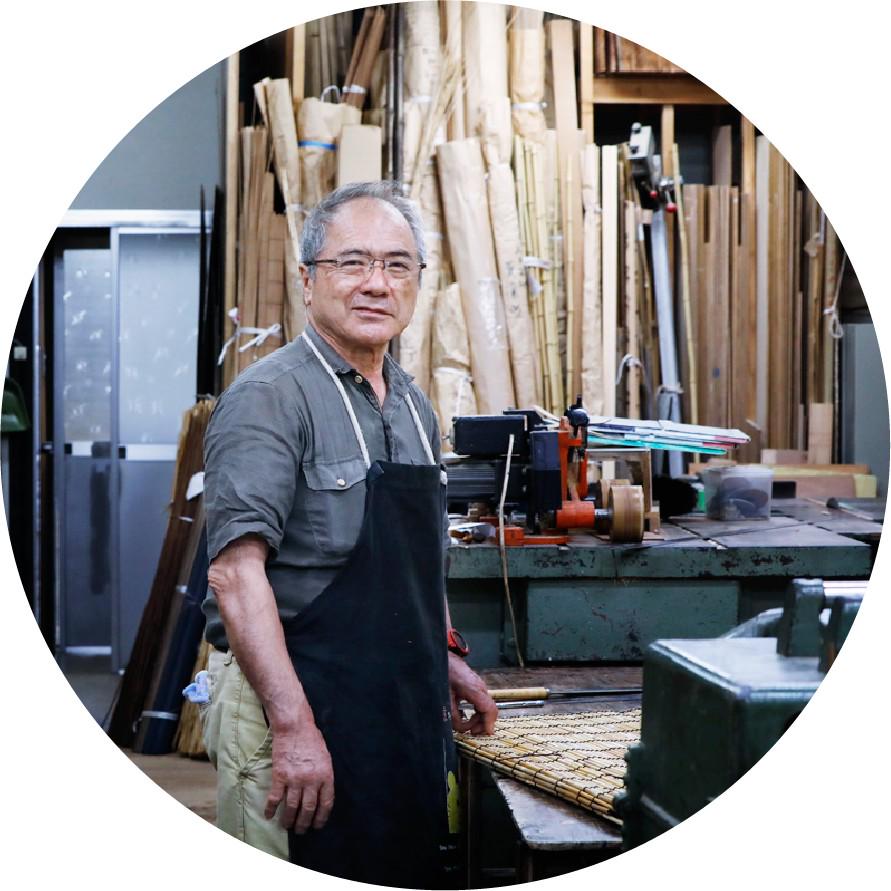
- Founder Otoji Kawasaki established the company in Sagano, Kyoto, in 1972 after an 11-year apprenticeship at a long-established sudare shop in Kyoto. In 1988, the company moved to its present location in Chiyogawa, Kameoka. Its work has been exhibited at events including the UK design festival Tent London in 2013. Major honors include the Kyoto Design Award in 2010, 2014, and 2016, and Otoji Kawasaki’s designation as a Kyoto Master Craftsperson in 2017.
Access
30 minutes by train and a 10-minute walk from Kyoto Station
The marker shows the approximate area.
The exact address will be provided when your reservation is confirmed.
Experiences
- Reserve
Gradation Sudare Screen Experience
50,000 JPY / personCreate a contemporary hanging sudare screen in a Kameoka studio that carries traditional bamboo-blind techniques into modern interior design. Before the experience, choose a color palette from bamboo dyed by the studio, then arrange the tones to form a personal gradation.
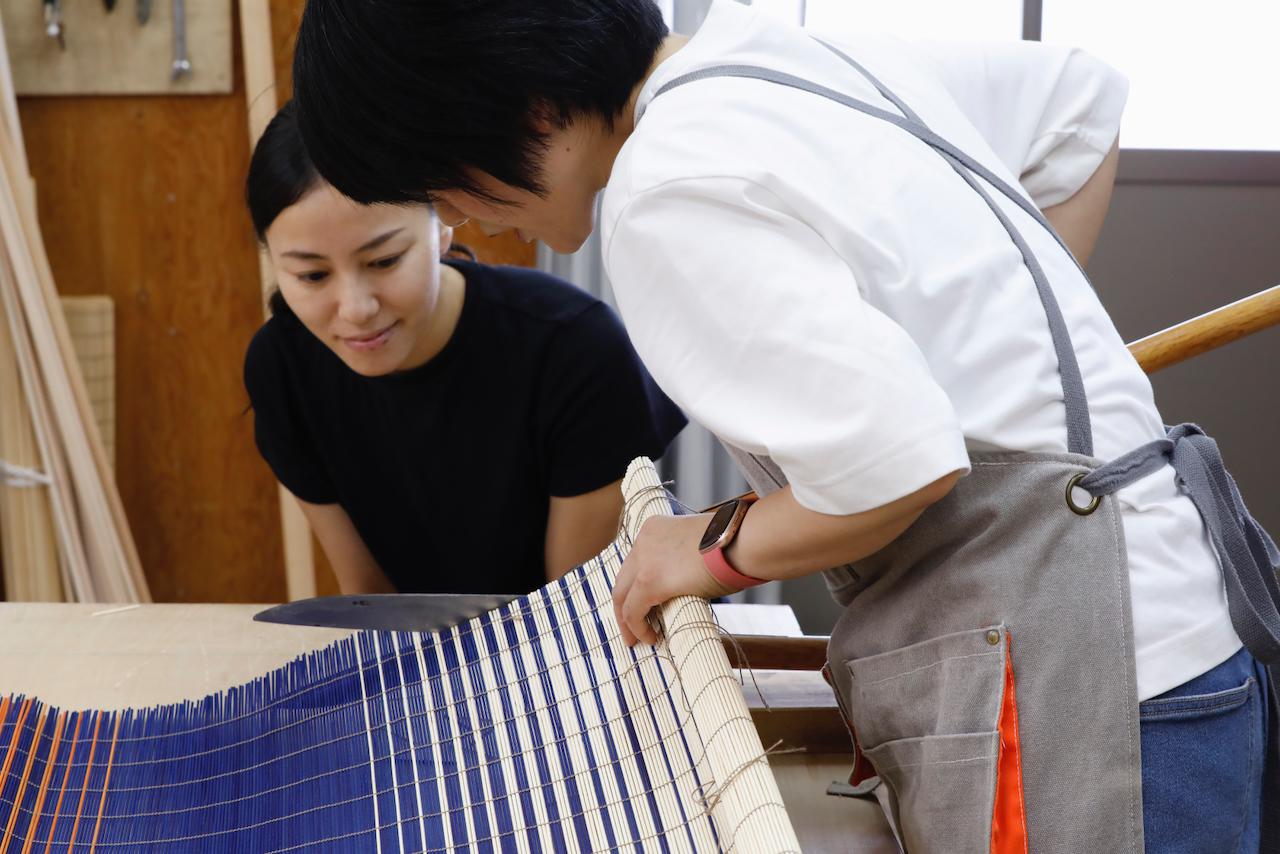
With the artisans’ guidance, adjust the weaving equipment, weave the bamboo and thread, trim the edges, and complete the screen with traditional end pieces and tying methods. The standard finished size is approximately 80 cm wide × 180 cm high, with adjustments available by consultation. Take the completed screen home on the day.

- Reserve
Sudare Hanging Lampshade Experience
63,000 JPY / personTransform the light-filtering tradition of sudare into a contemporary hanging lampshade for your home. At a specialist studio in Kameoka, choose a color palette from dyed bamboo and thread, then work with the artisans to weave a one-of-a-kind lighting piece measuring approximately 35 cm in diameter and 24 cm high.
The experience introduces how natural materials, spacing, and color influence the quality of light. Take the finished lampshade home on the day or arrange shipping for an additional fee. The socket, cord, bulb, and other electrical fittings are not included.
