- Samon: Water Expressed in Stone
Have you ever heard the word samon? Karesansui is one of the representative styles of Japanese garden: a landscape of stone created without water. Within it, patterns drawn in sand or gravel suggest flowing water, its surface, waves, and endlessly expanding ripples. These patterns are called samon. Samon may resemble a fast-flowing river or a vast ocean stretching into the distance. Their appearance changes with the viewer's perspective, and this openness to interpretation is one of the attractions of karesansui.
Karesansui gardens are said to have existed by the end of the Heian period (794–1185). They were described in Sakuteiki, Japan's oldest garden manual, written late in that period, and later became widespread at Zen temples during the Kamakura period. Creating samon is a Zen Buddhist practice and remains deeply connected with Buddhism in Japan.


Quiet Practices at the Temple of Stones
Where Stone Becomes Practice



Shoboji Temple, known as the “Temple of Stones,” is home to a distinctive garden composed of stones gathered from across Japan. Carefully arranged with symbolic meanings, the landscape invites contemplation and quiet observation.
In this experience, a monk guides guests through the temple grounds, introducing the stories behind the stones, statues, and Buddhist imagery found throughout the garden.
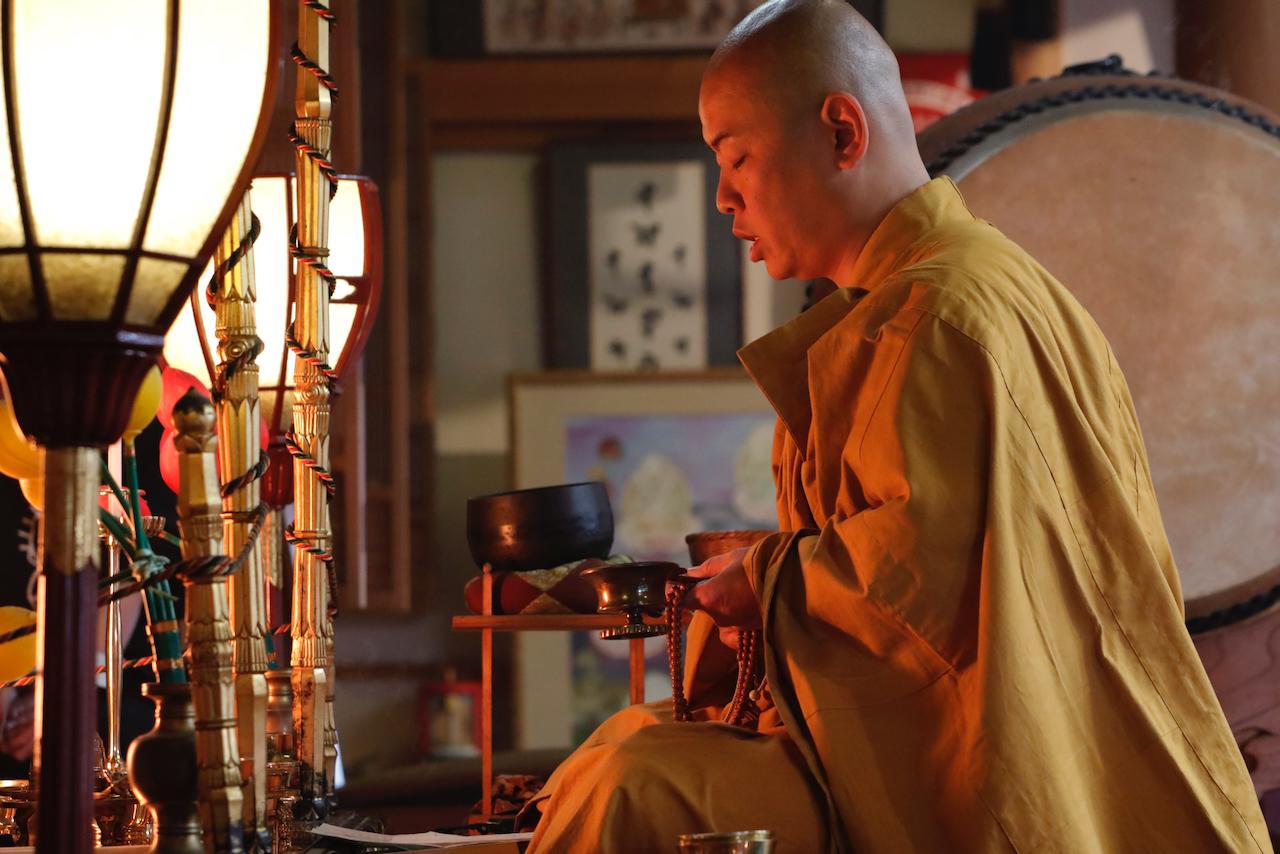
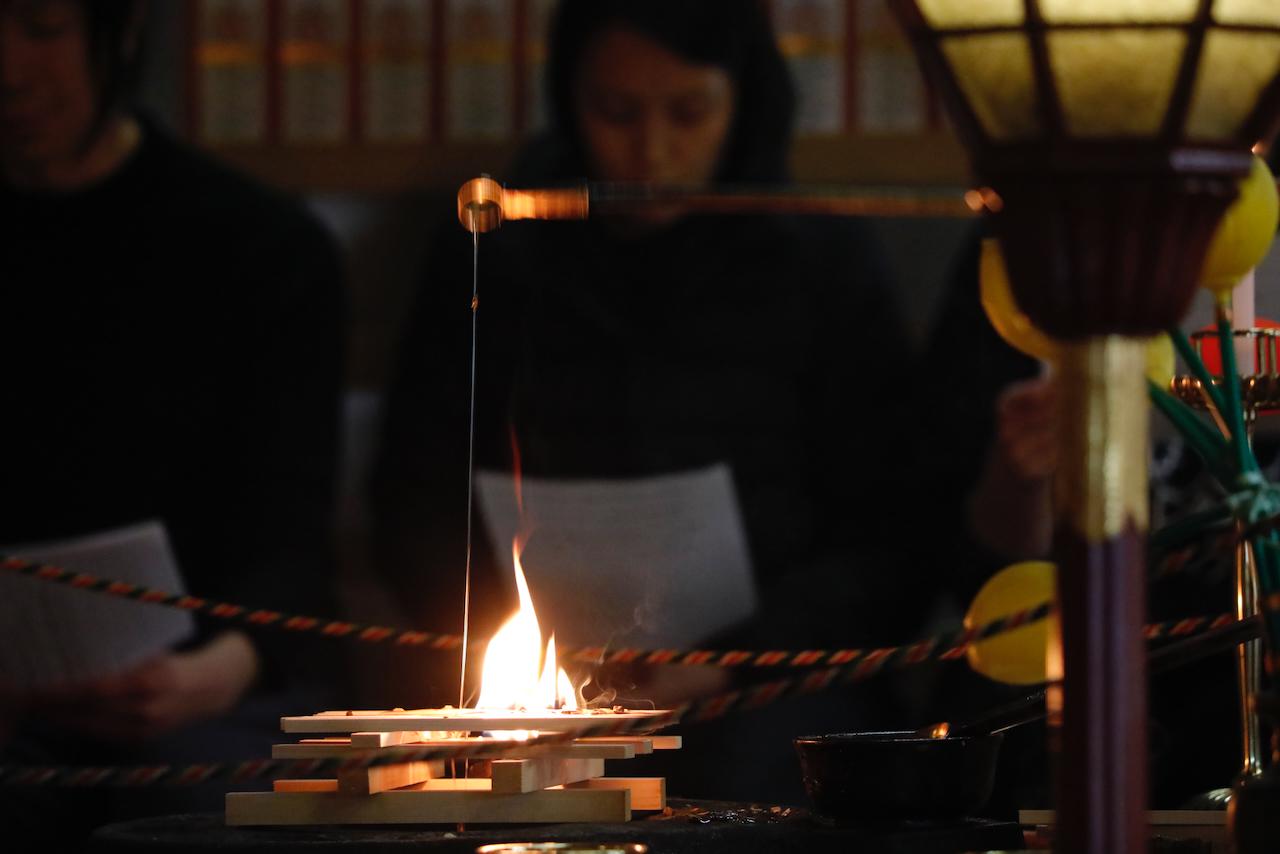
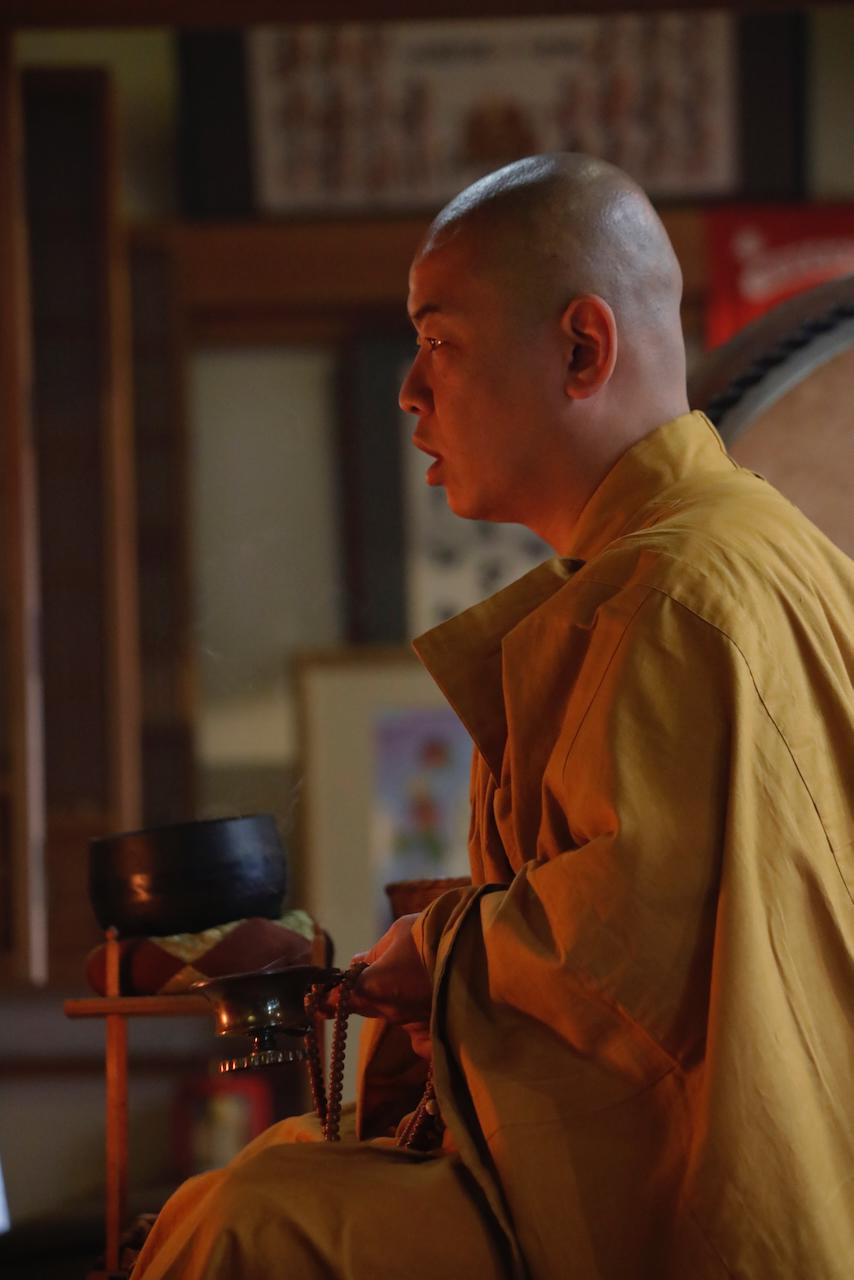
Guests may then deepen their encounter with the temple through Buddhist practices such as chanting the Heart Sutra, copying a sutra, or participating in a fire ritual. Alternatively, they may enter the stone garden to create traditional sand patterns (samon), tracing the imagined flow of water through stone and gravel.
Whether through practice or the quiet act of shaping the garden itself, the experience offers time to slow down and engage with a living temple tradition.


- The Temple of Stones and Its Stone Garden
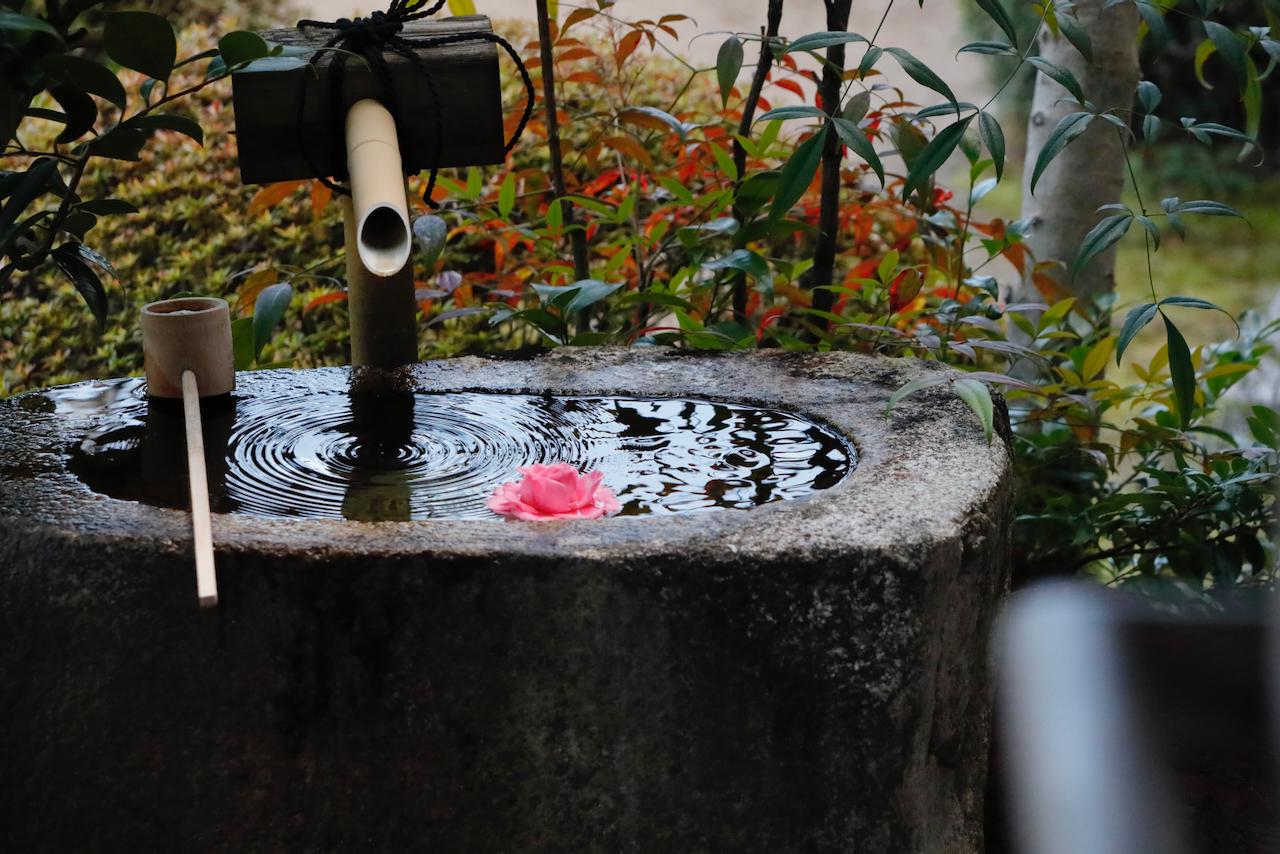
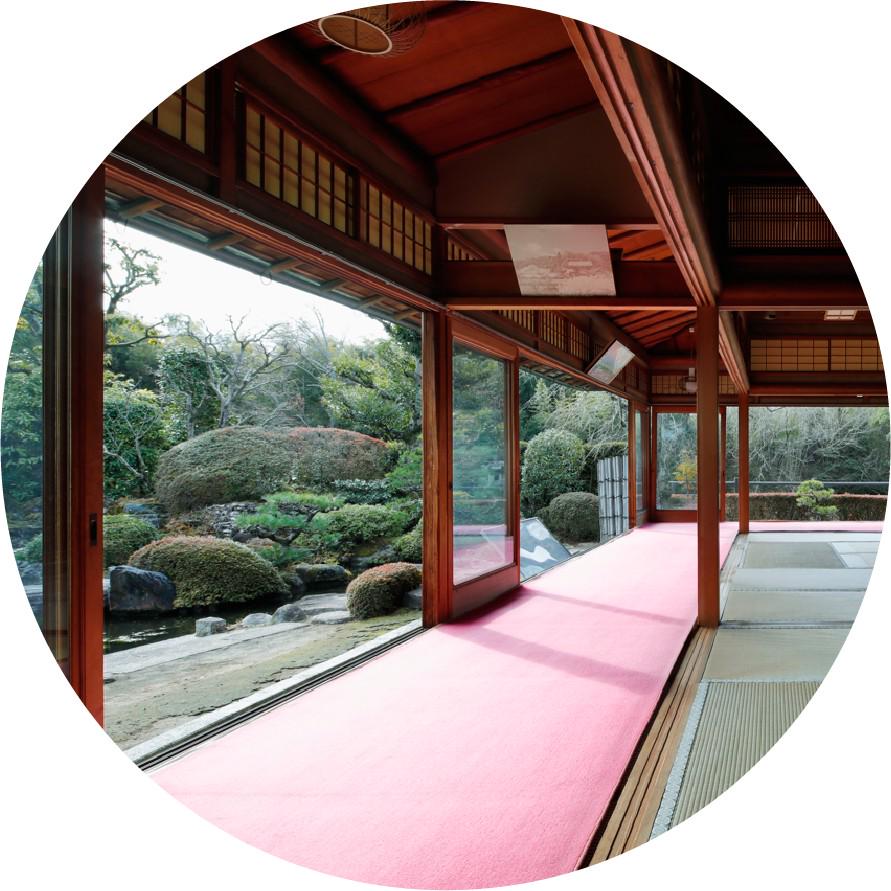
Shoboji is commonly known as the “Temple of Stones” because its garden contains many enormous rocks, some weighing as much as 600 tons, gathered from across Japan. Among the temple's gardens, Hosho-en is the best known. This landscape garden borrows the distant Higashiyama mountain range as part of its scenery. Away from the bustle of the city, visitors can enjoy the sound of water, the stone garden, and its beautiful surroundings.
As you sit on the hall's tatami mats and contemplate the garden, its irregularly arranged stones begin to suggest different forms. Is that an elephant, or perhaps a lion? Intriguingly, each of the 16 stones resembles an animal, which is why Hosho-en is known as the “Stone Garden of Birds and Beasts.” Use your imagination to bring the stones to life and discover a mysterious, playful dimension within this beautiful garden.











- Shingon Buddhist Temple
- Shoboji
- Shoboji is a celebrated temple in Kyoto's Nishiyama mountains. Also known as Ishi-no-Tera, the “Temple of Stones,” it features a tranquil dry landscape garden. From the mountainside, visitors can enjoy a panoramic view of Kyoto's Higashiyama range. Seasonal flowers border the garden's white sand, where samon patterns flow around 16 stones that resemble animals.
Access
6 minutes by train and 15 minutes by taxi from Kyoto Station
The marker shows the approximate area.
The exact address will be provided when your reservation is confirmed.
Experiences
- Reserve
Private Buddhist Practice at Shoboji Temple
11,500 JPY / personExperience Buddhist practice at Shoboji, Kyoto’s “Temple of Stones,” under the guidance of the deputy priest. Begin with a private introduction to the temple’s main hall, Buddhist images, and the role of daily religious practice.
Depending on the arrangement, take part in one of three practices: chanting the Heart Sutra, Buddhist meditation, or a goma fire ritual. Each option is a participatory encounter with living Buddhist practice rather than a performance for visitors.

- Reserve
Private Zen Garden Sand-Raking at Shoboji Temple
11,500 JPY / personDiscover the principles of a traditional Japanese dry landscape at Shoboji, Kyoto’s “Temple of Stones.” The experience is usually held after the temple opens, but the grounds are generally quiet, allowing your group to focus on the garden’s distinctive rocks, symbolism, and carefully composed space.
After an introduction from the deputy priest, step into a garden area normally closed to visitors and learn how to draw flowing patterns in the sand. This private session offers rare hands-on access to a living temple garden rather than a standard viewing visit.
