- A Sound Refined over Nanjo Studio’s 190-Year History
The orin is a Buddhist ritual instrument with a clear, pure, bell-like tone. Nanjo Studio is one of the few studios in Japan specializing in orin, gongs, and other ritual sound instruments used in shrines, temples, and homes, including gongs for traditional Japanese festivals and gagaku court music.
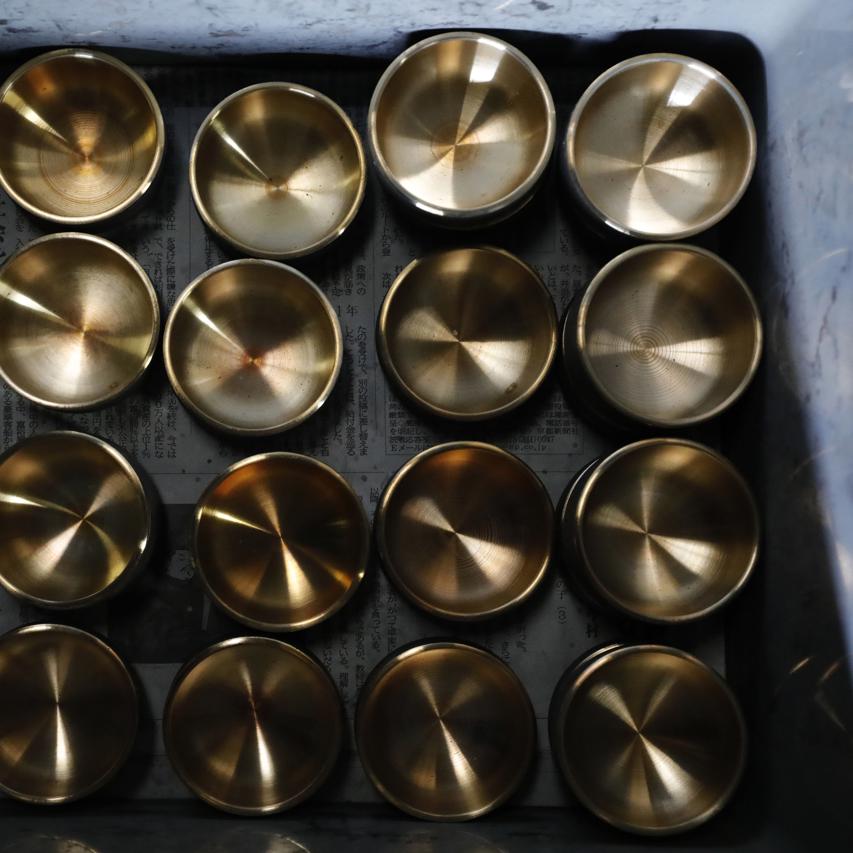
The instruments are made from a type of bronze known as sahari, a copper-based alloy containing tin and lead. Used in ancient objects preserved in the Shosoin Repository, sahari was also known as “resonant copper” because of the beautiful sound it produces when struck.
To bring out the best acoustic qualities of sahari, Nanjo Studio has developed its own distinctive alloy blend through more than 190 years of study. Visitors can hear its sound firsthand.


Orin Bells Forged in Fire
Casting Resonance



This experience takes place at one of the few remaining studios in Japan that continues the traditional casting of orin bells and Buddhist ritual instruments. For more than 190 years, the studio has been crafting bells known for their clear and distinctive resonance.
On casting days, guests witness the rare moment when molten alloy is poured into molds and a new orin is born in fire. The process offers a powerful glimpse into how sound is shaped through heat, material, and skilled craftspersonship.
Even when casting is not taking place, visitors gain insight into the techniques and knowledge required to create instruments whose tones have accompanied Buddhist practice and meditation for generations.
Each participant receives a LinNe Chibi, a small meditation bell made from the same alloy and through the same process as the studio's larger instruments, allowing the experience to continue long after the visit.


- A Fusion of Tradition and Originality
The studio uses yakigata, or fired-mold casting, a traditional wood-fired method, to cast its proprietary sahari alloy. Handmade clay molds are placed in a kiln, fired with wood, cooled to the appropriate temperature, and filled with molten sahari.
The craftspeople rely on experience and intuition to judge the temperature and timing of every stage while working in intense heat.
The studio has painstakingly preserved this method because wood-fired yakigata casting is considered particularly well suited to sahari. Its craftspeople take pride in creating distinctive sounds that resonate deeply with those who hear them.


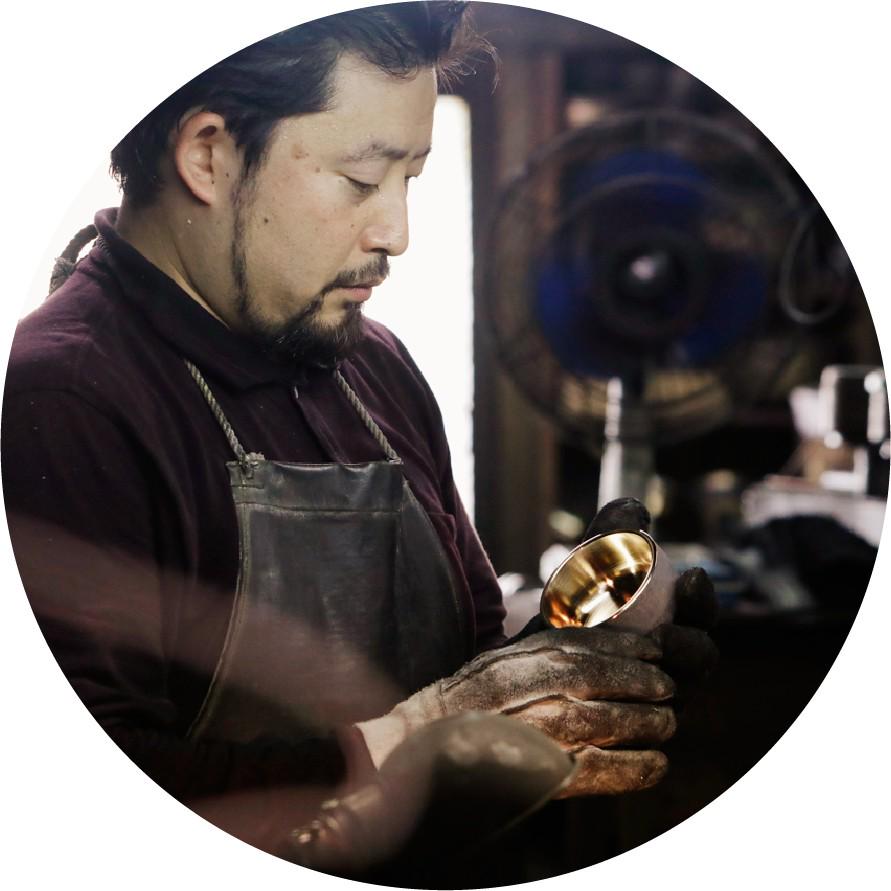
- Orin Bell Craftsperson
- Kazuya Nanjyo
- Established more than 190 years ago, Nanjo Studio specializes in orin and other ritual sound instruments, including gongs for the Gion Festival and for gagaku court music. The instruments are made from sahari, a copper-based alloy containing tin and lead, using a traditional fired-mold casting method. Sixth-generation head Kansaburo Nanjo (Koji Nanjo) received the Governor of Kyoto Prefecture’s commendation as a Kyoto Master Craftsperson in 2008. Seventh-generation head Kazuya Nanjo was designated a Certified Craftsperson of Kyo-Mono by Kyoto Prefecture in 2011.
Access
20 minutes by taxi from Kyoto Station
The marker shows the approximate area.
The exact address will be provided when your reservation is confirmed.
Experiences
- Reserve
Orin Bell Foundry Tour with LinNe Chibi
64,000 JPY / groupEnter a specialist Kyoto foundry with more than 200 years of history crafting orin and other Buddhist sound instruments. Observe the complete process on the day: traditional sand-mold casting with sahari alloy, precise wheel-finishing, and the final tuning that shapes each orin’s clear, resonant tone.
Detailed explanations reveal how casting, carving, and tuning work together. Each booking includes one LinNe Chibi—a compact orin made with the same material and production principles—as a keepsake for meditation or quiet reflection.
