- Celadon Inherited Through Generations in Kiyomizu, Kyoto
Soryu Pottery is a family-run studio in Kiyomizu, Kyoto. The first Wakunami Soryu inherited techniques from the first Suwa Sozan, a leading Kyo-yaki celadon artist active during the Meiji (1868–1912) and Taisho (1912–1926) periods. Four generations of Wakunami potters have since carried on the traditional craft of Kiyomizu-yaki. The studio is known for its gentle, elegant celadon glaze, whose distinctive blue-green color has been carefully passed down through the family.
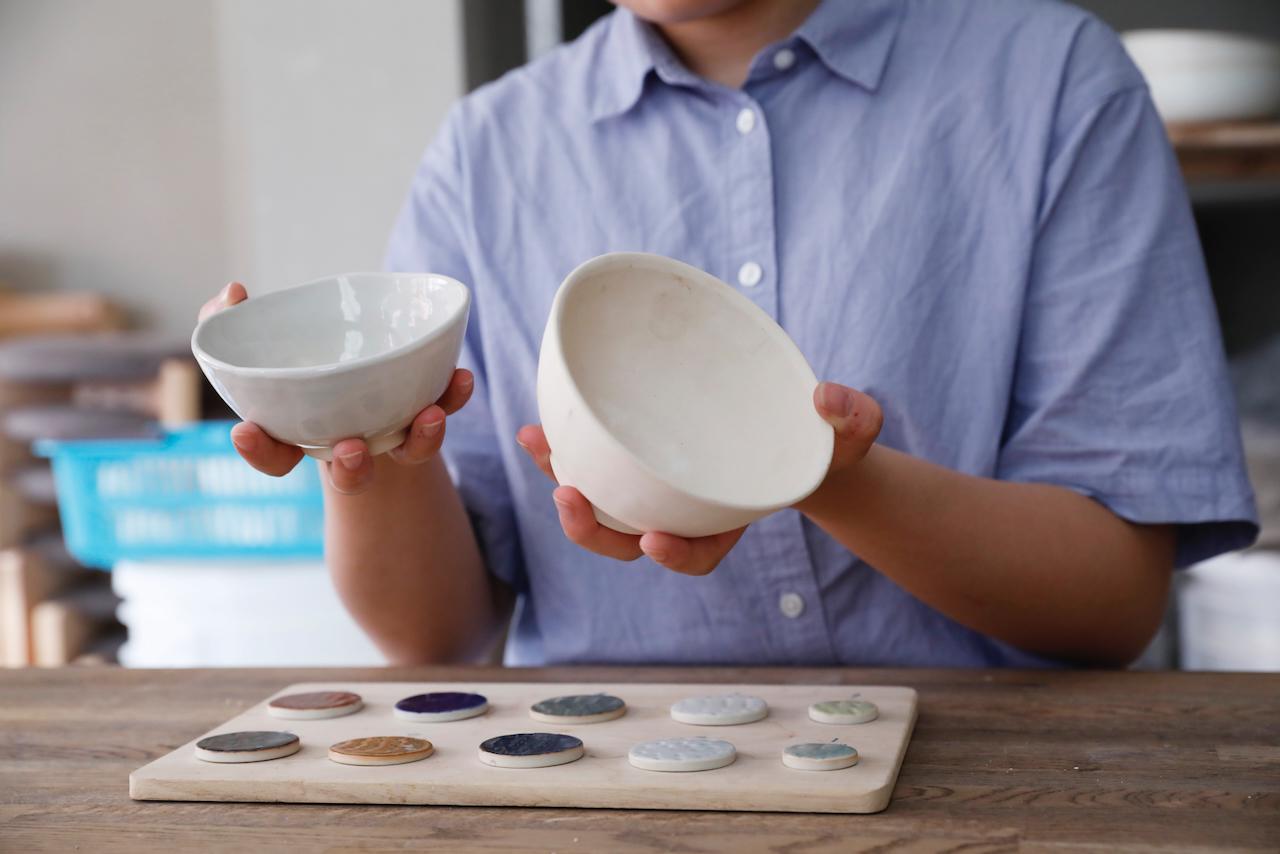
Soryu Pottery’s celadon is made with a technique in which pigment is kneaded into the clay. This process involves many more stages than conventional celadon and requires considerable time and labor, but it is essential to producing the ware’s uniquely deep blue color.


Handcrafting with Two Regional Traditions
Pottery Across Generations
Higashiyama, Kyoto



This family-run studio brings together two ceramic traditions from different regions of Japan: Kiyomizu-yaki from Kyoto and Koishiwara-yaki from Fukuoka. Their work reflects a unique meeting of regional influences, creating vessels that balance tradition with a refined contemporary sensibility.
Today, a new chapter is unfolding as their son joins the studio, continuing a practice in which techniques, ideas, and values are shared across generations.
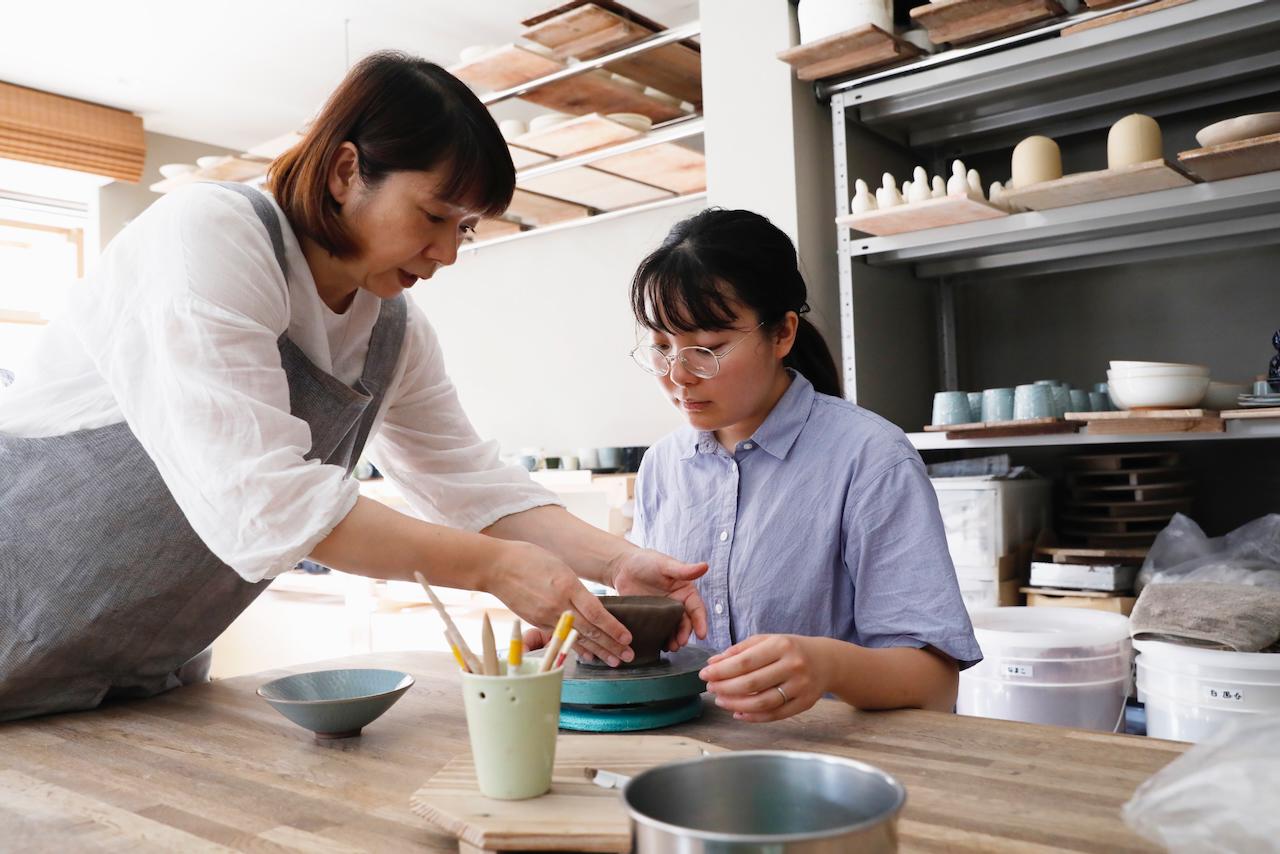
During the experience, guests handcraft their own piece under the guidance of the artists. Once shaped, the work is completed with the studio's signature tobikanna pattern, applied by the artists themselves before firing. The result combines your own creation with one of the defining traditions of the studio.
More than a pottery lesson, the experience offers an opportunity to encounter both the regional diversity of Japanese ceramics and the family relationships through which these traditions continue to evolve.
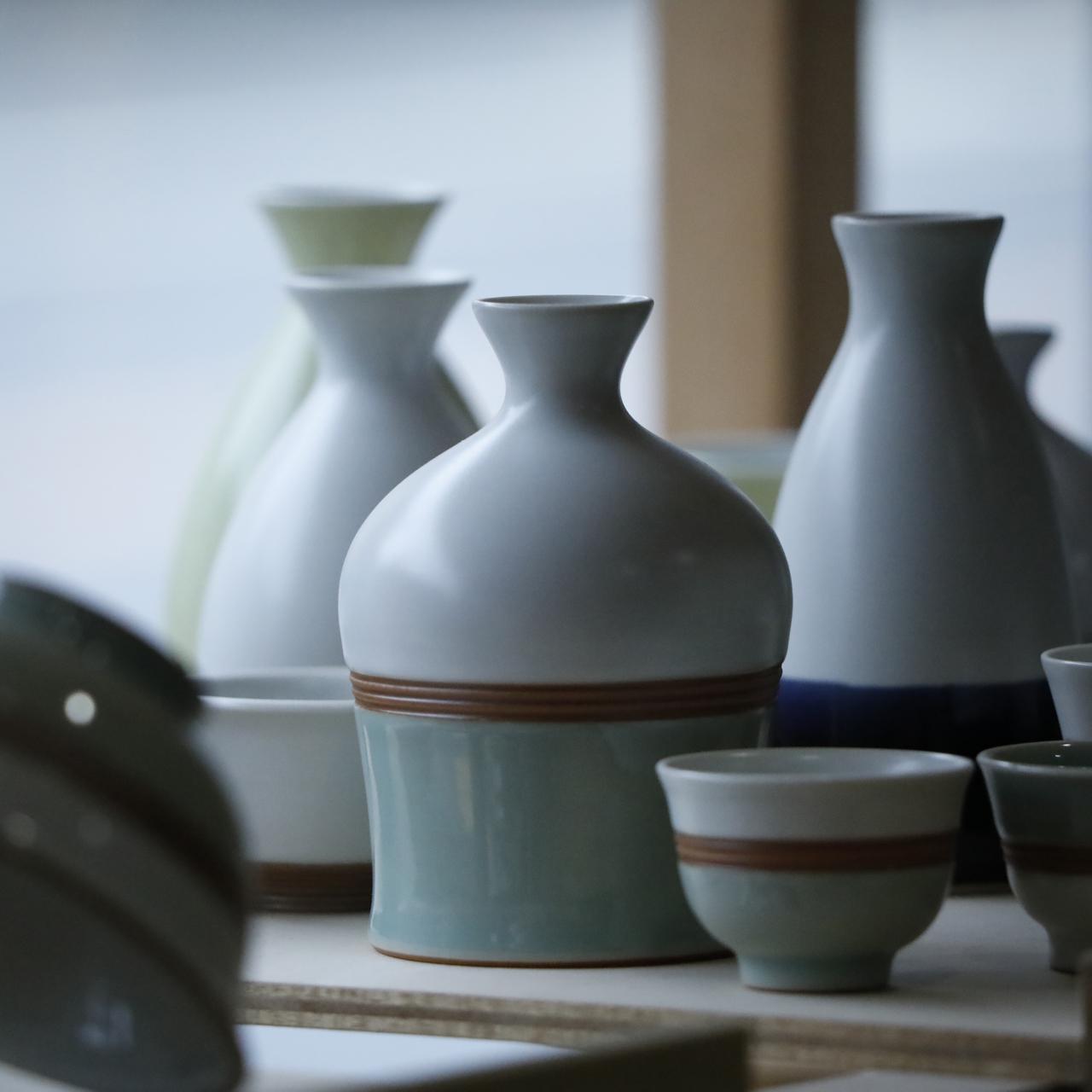


- Combining Ceramic Traditions from Kyoto and Fukuoka
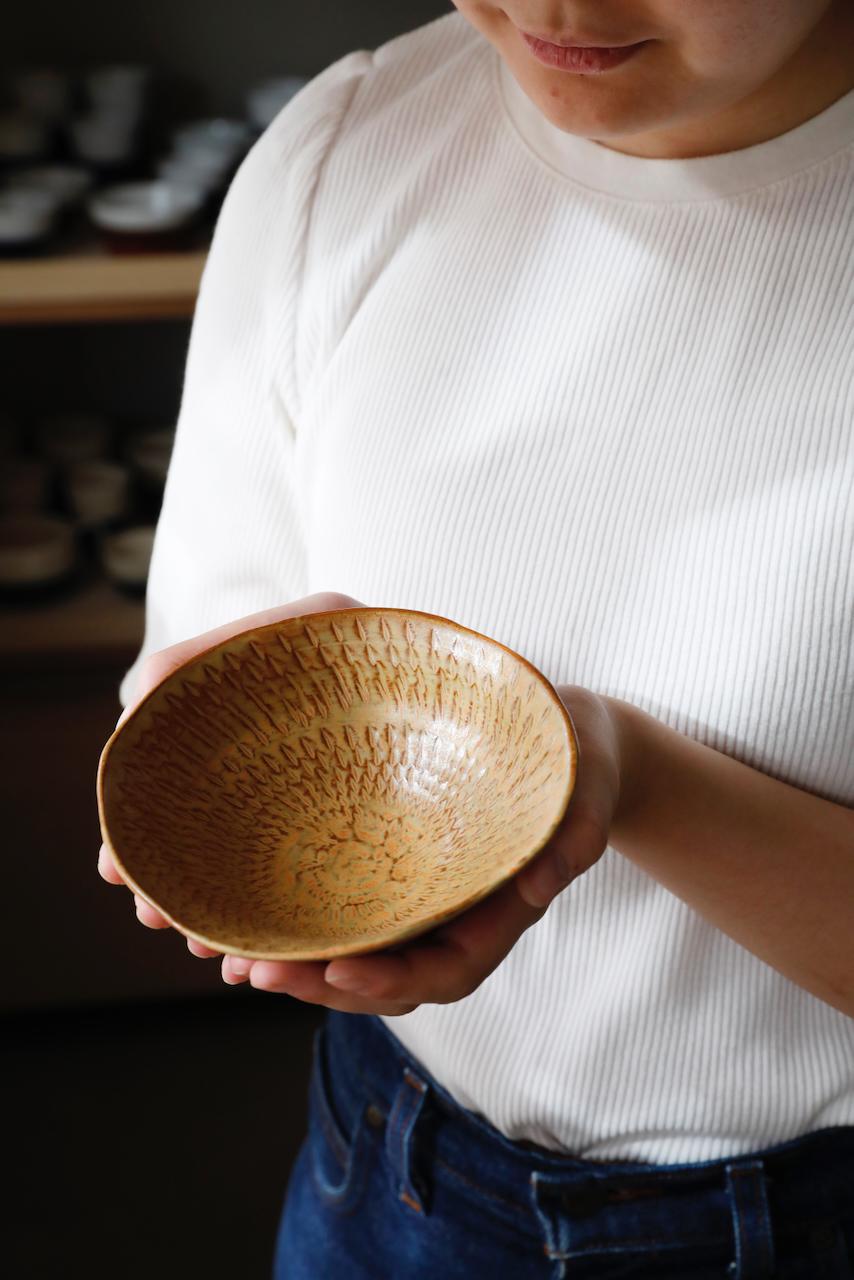
Soryu Pottery brings together Kiyomizu-yaki techniques from Kyoto and Koishiwara-yaki techniques from Fukuoka through the practice of a married couple who each inherited one of these traditions. Their signature work, Seiji Tobikanna, combines celadon passed down from the first Wakunami Soryu with the warmth and rhythm of Koishiwara-yaki’s tobikanna decoration.
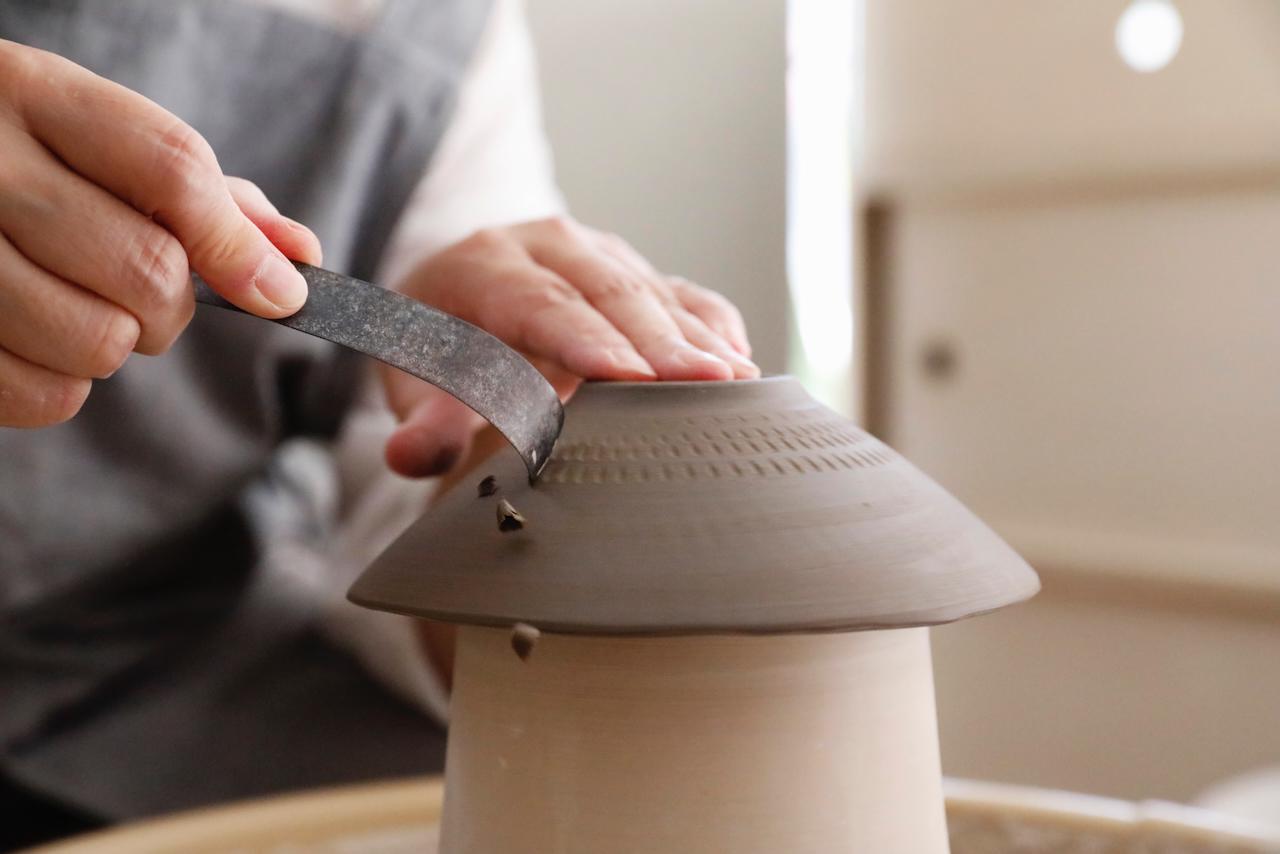
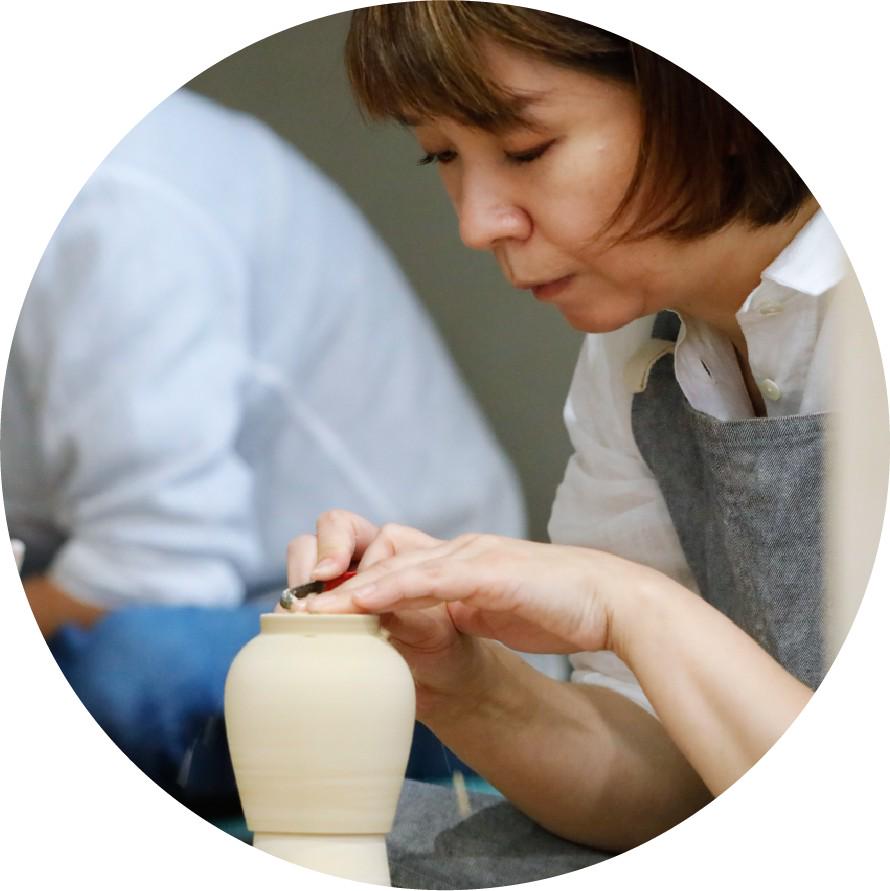
Tobikanna is a technique in which the edge of a tool made from an old clock spring is held against the clay as the potter’s wheel turns. The tool skips rapidly across the surface, carving a regular pattern.
Soryu Pottery’s distinctive style emerged when the fourth Wakunami Soryu married Madoka, a potter trained in Koishiwara-yaki. Koishiwara-yaki comes from Toho Village in Asakura District, Fukuoka Prefecture, and is known primarily for everyday ware decorated with geometric patterns produced through techniques including brushwork, tobikanna, uchikake, and kushikaki. By combining their different backgrounds, the couple continue to explore new expressions of celadon and create pottery for daily life.







- Potters
- Madoka & Soryu Wakunami
- The first Wakunami Soryu trained under the first Suwa Sozan, a leading Kyo-yaki celadon artist of the Meiji and Taisho periods. After inheriting his techniques, he established his own studio in Gojo, Kyoto, around 1940. Four generations of the Wakunami family have since preserved the traditional techniques of Kiyomizu-yaki in Kyoto. In 2015, Madoka and Soryu established Soryu Pottery, combining the skills they respectively inherited from the Kiyomizu-yaki tradition of Kyoto and the Koishiwara-yaki tradition of Fukuoka.
Access
10 minutes by train from Kyoto Station
The marker shows the approximate area.
The exact address will be provided when your reservation is confirmed.
Experiences
- Reserve
Kiyomizu and Koishiwara Pottery Experience
34,000 JPY / personMeet a family pottery team whose work brings together Kyoto’s Kiyomizu-yaki tradition and Fukuoka’s Koishiwara-yaki tradition. Using hand-building techniques, create one piece under the artists’ guidance and watch a demonstration of tobikanna, the rhythmic chattering technique used to form distinctive surface patterns.
The artists will apply the tobikanna decoration and fire your work after the experience. Completion takes several months; your finished pottery will be shipped later, with shipping charged separately.

- Reserve
Pottery Experience with an Artisan-Made Piece
42,000 JPY / personMeet a family pottery team whose work combines techniques from Kyoto’s Kiyomizu-yaki and Fukuoka’s Koishiwara-yaki traditions. Using hand-building techniques, create one piece under the artists’ guidance and watch a live tobikanna demonstration. The artists will apply the decoration and fire your work over the following several months; shipping is charged separately.
Unlike the standard plan, each participant also receives one finished studio piece selected by the artisans to take home on the day.
