- Kyoto Kaiseki at a Long-Established Ryotei
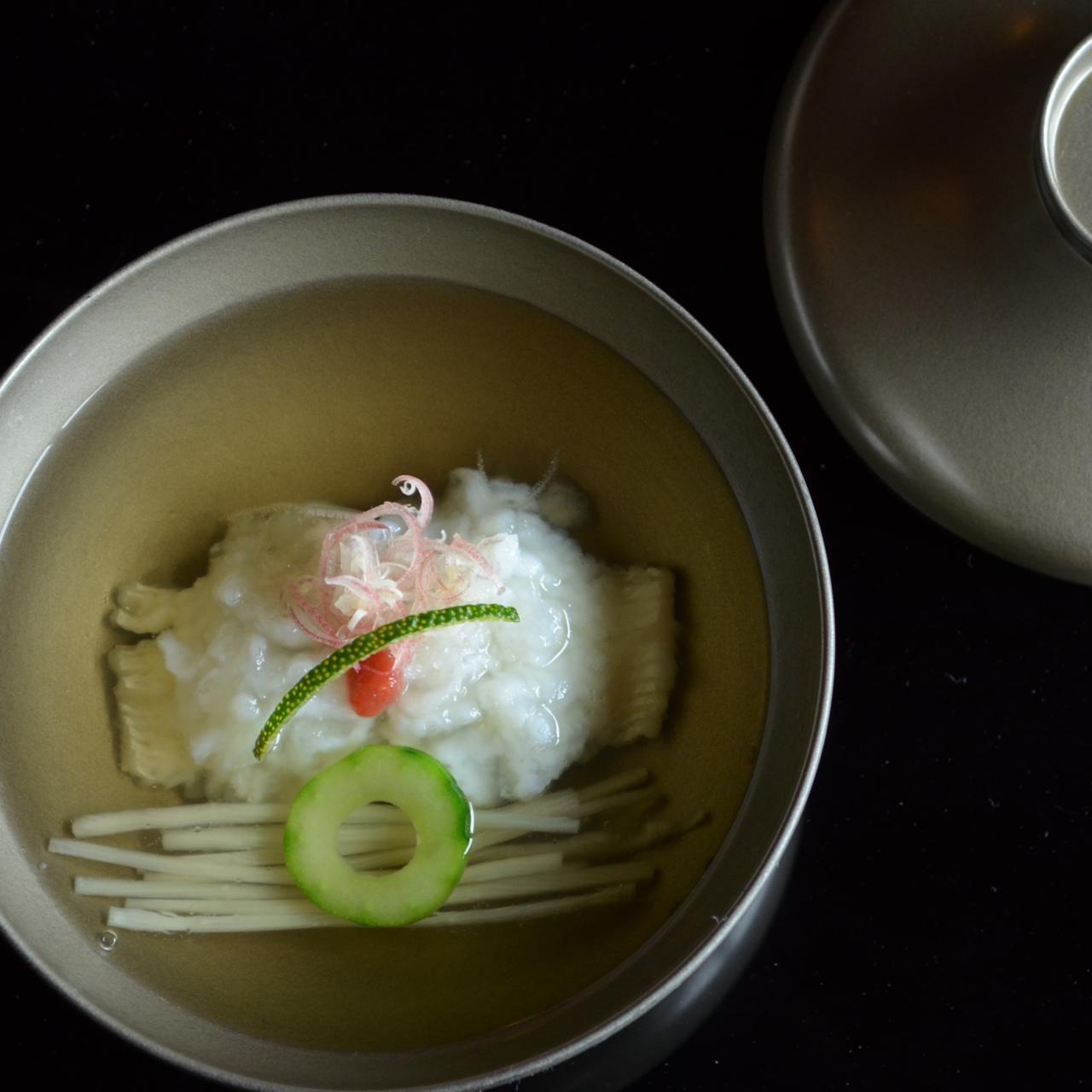
Kaiseki is a traditional form of Japanese gastronomy: an elegant, delicate, and carefully balanced sequence of dishes. Kyo-kaiseki places particular emphasis on seasonality, reflecting Kyoto's highly developed aesthetic sensibility. It uses outstanding seasonal ingredients from the region, presents them on beautiful tableware, and arranges each dish to evoke the season at a glance. Kaiseki developed in connection with the tea ceremony, originating in the light meals served by tea masters before or after a gathering. In Kyoto, this tradition merged with Kyo-ryori, or Kyoto cuisine, and shojin ryori, or Buddhist vegetarian cooking, to establish the city's own style, known as Kyo-kaiseki. During this experience, you can enjoy Kyo-kaiseki at Kinsuitei in Nagaokakyo. The city, which served as Japan's capital 1,200 years ago, holds an important place in the country's history, and Kinsuitei is renowned locally as one of Japan's finest restaurants for bamboo-shoot cuisine.


Kyoto Cuisine & Historic Architecture at Kinsuitei
The Architecture of Hospitality



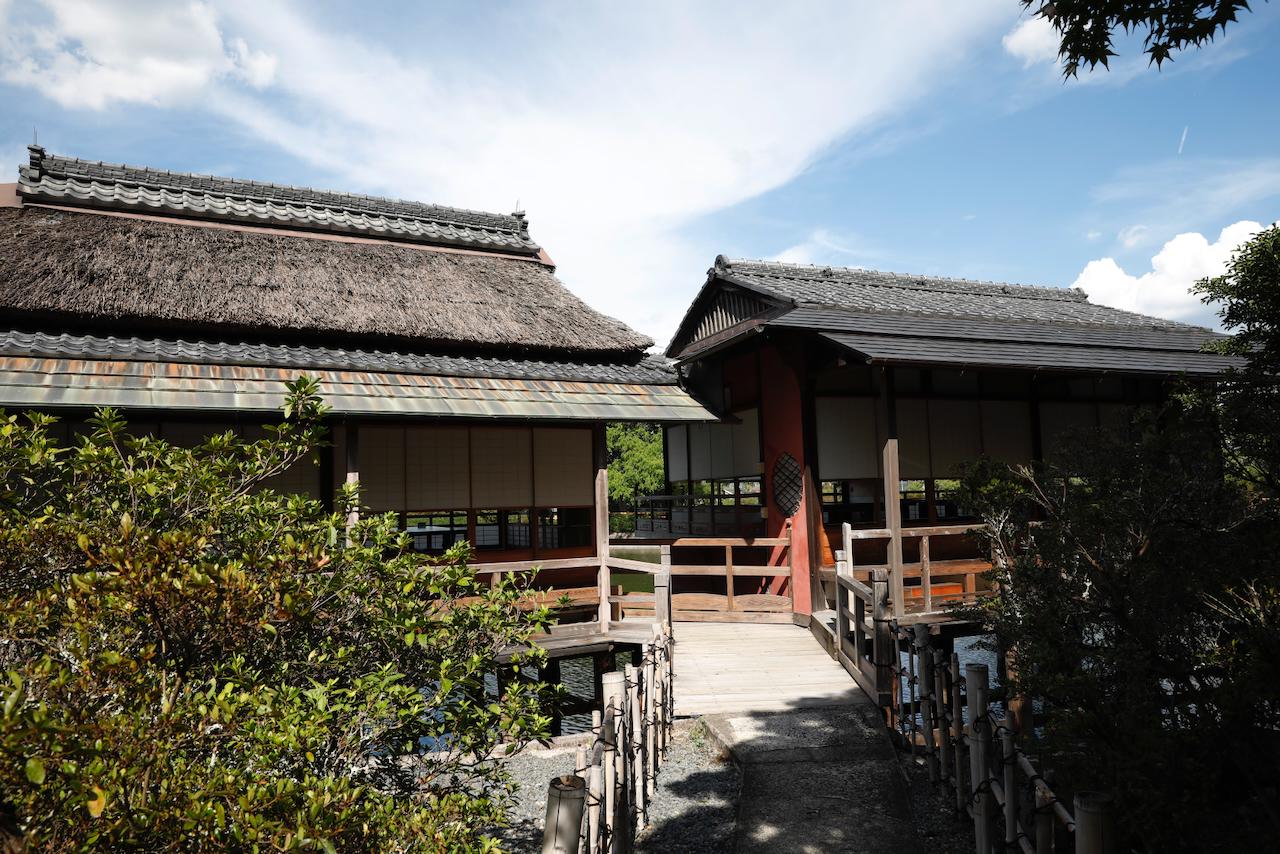
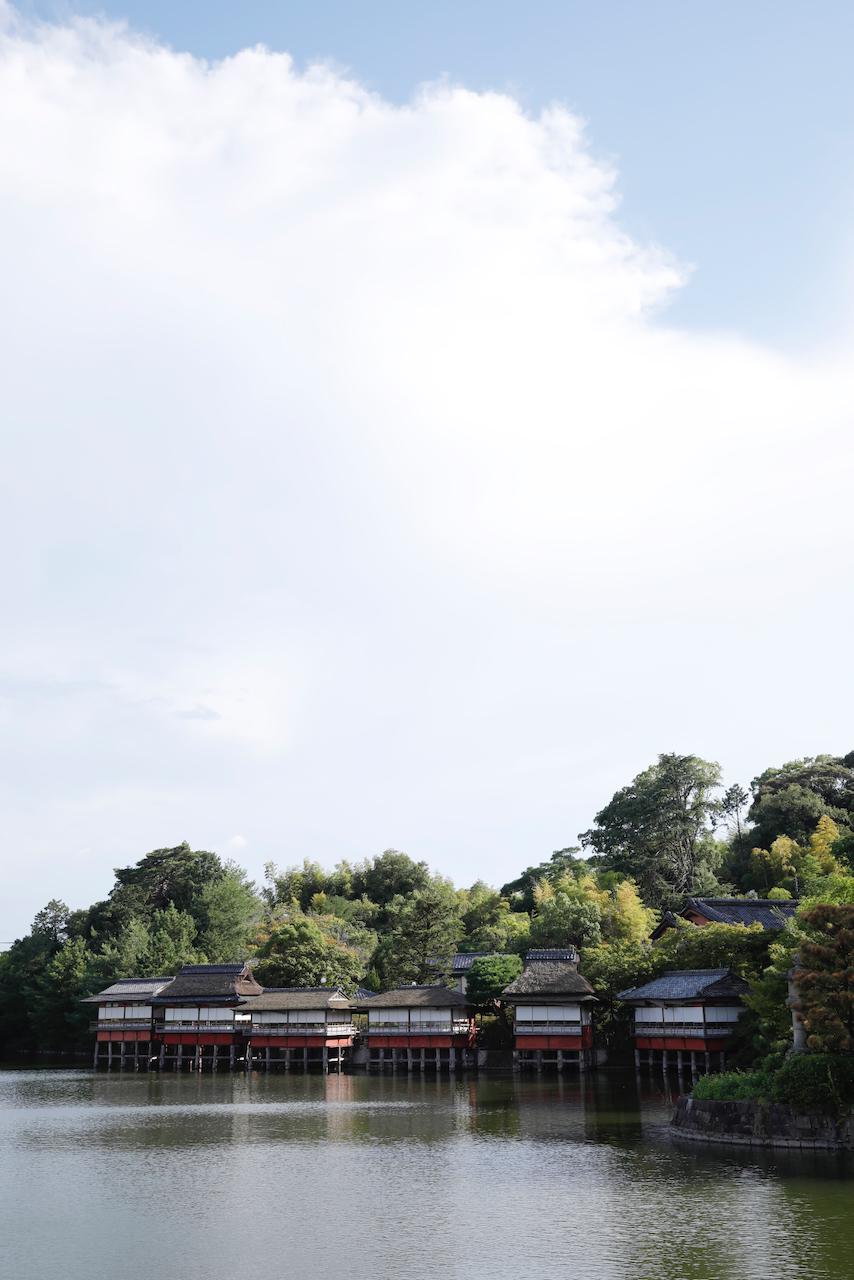
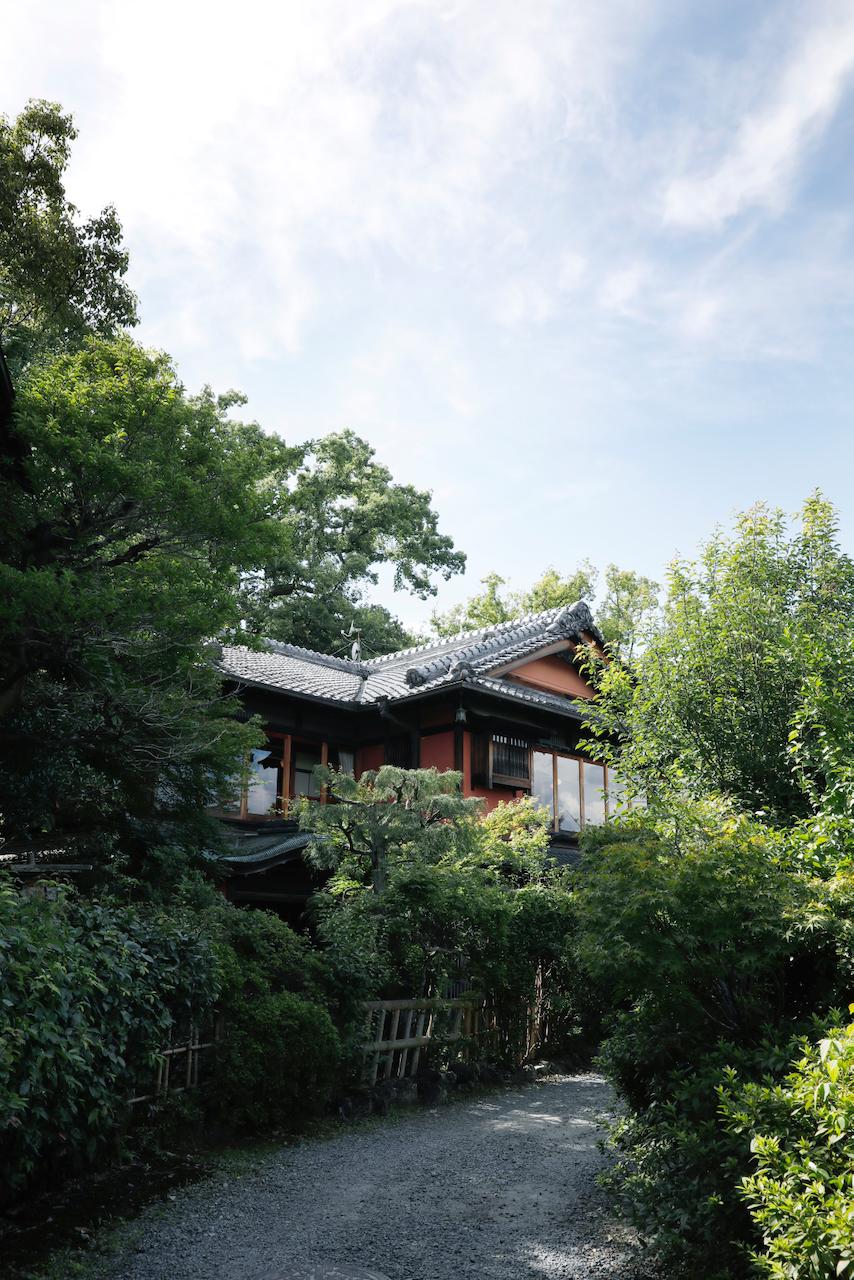
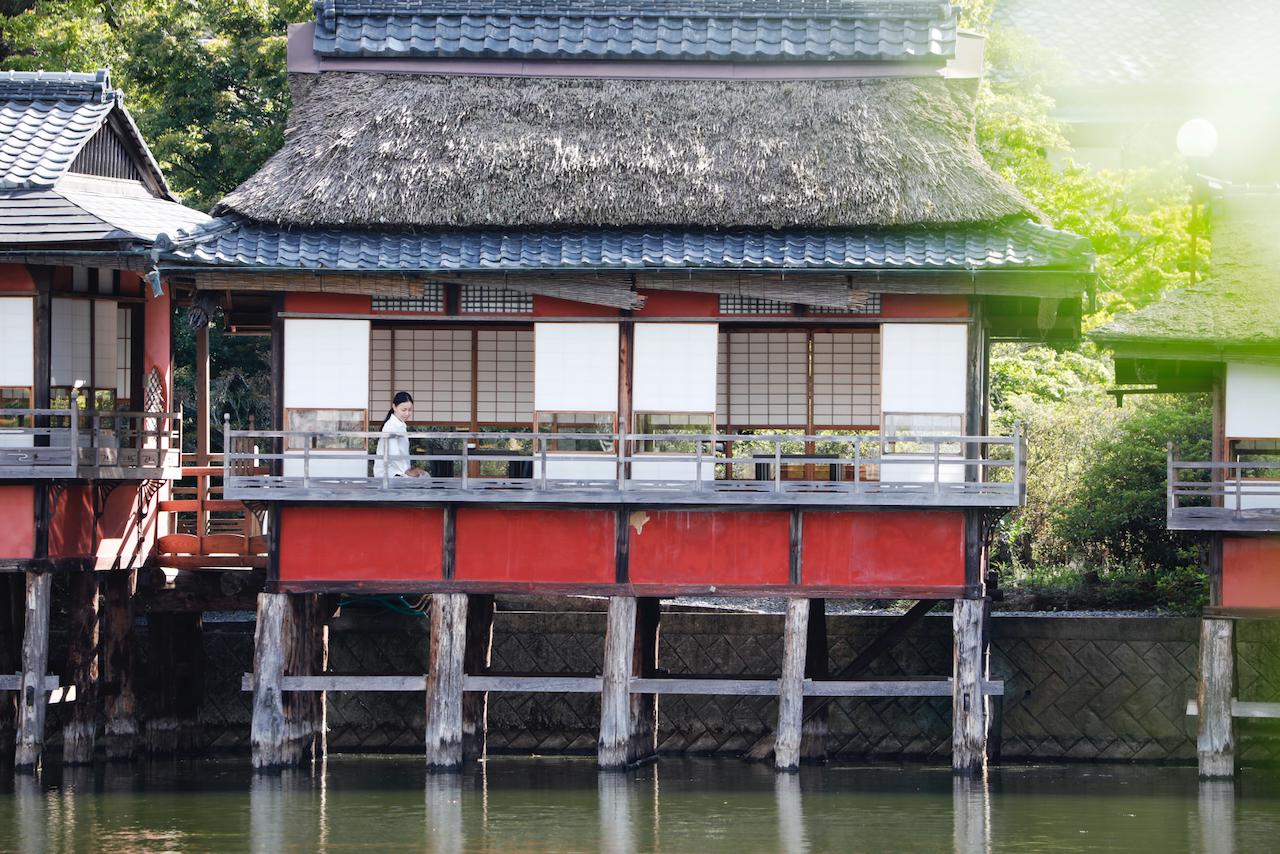
Standing beside the waters of Hachijyo-ga-ike Pond at Nagaoka Tenmangu Shrine, Kinsuitei has long served as a setting for celebrations, gatherings, and seasonal occasions. Framed by water, gardens, and changing scenery, the restaurant offers an atmosphere shaped by centuries of hospitality.
The experience begins with a traditional Kyoto meal prepared from carefully selected seasonal ingredients. Following the meal, guests explore the architecture of Kinsuitei with local architects involved in the preservation and restoration of traditional buildings. Composed of structures from different periods, the complex reveals how Japanese architecture has evolved while continuing to support the rituals of dining, gathering, and welcoming guests.
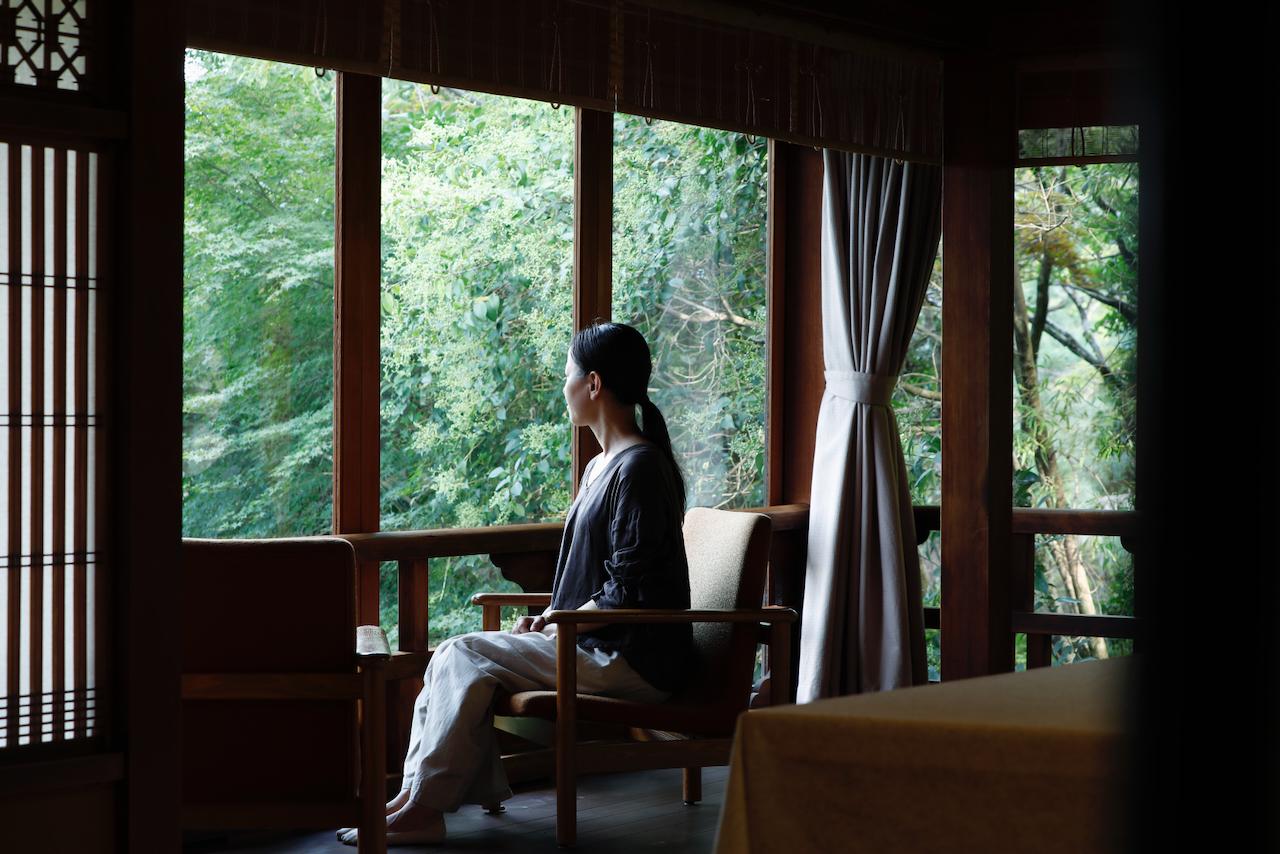
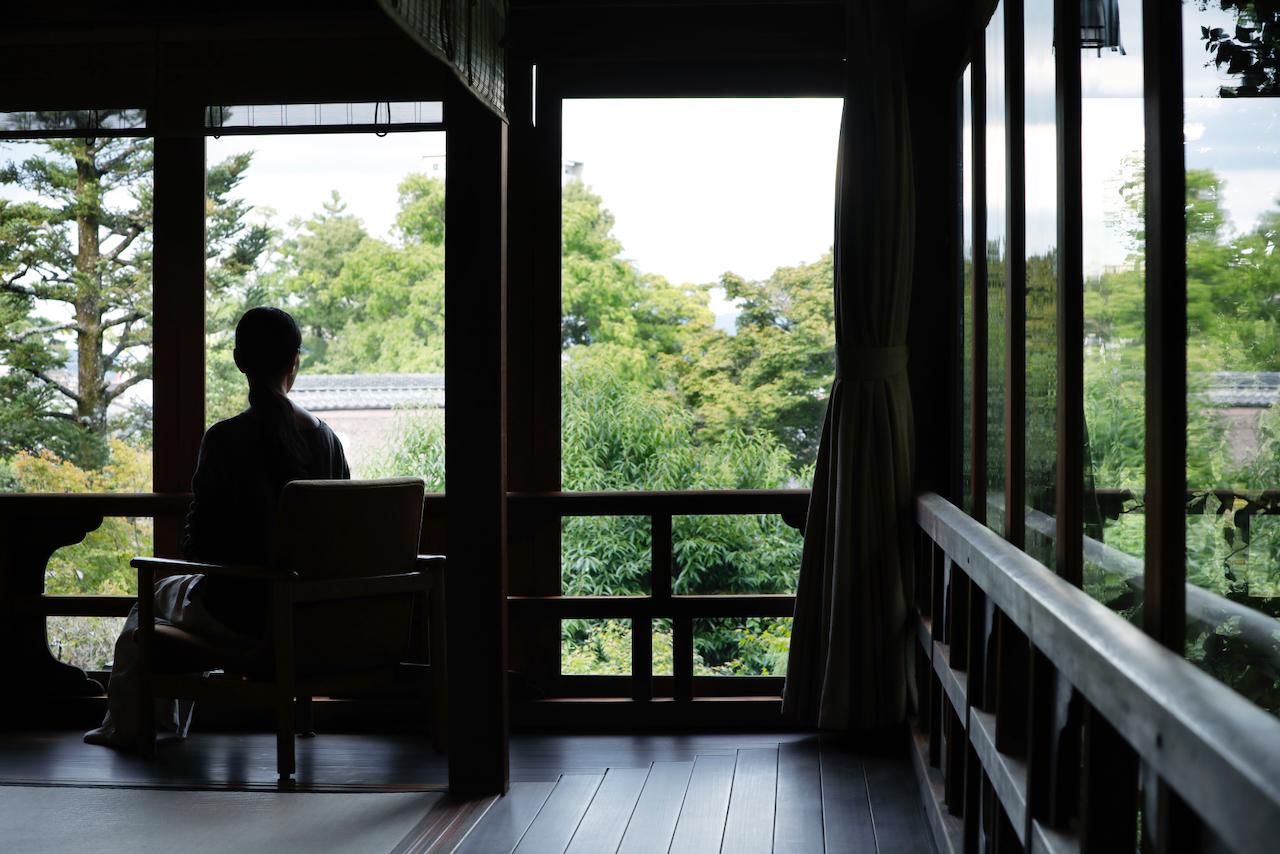
Entering spaces not normally open to the public, visitors gain insight into the relationship between architecture, landscape, and hospitality. More than a restaurant or architectural tour, the experience offers a rare opportunity to understand how Kyoto cuisine and the spaces created to serve it have developed together over time.


- Kyo Bamboo Shoots and Kinsuitei
Nagaokakyo, where Kinsuitei is located, is famous for Kyo bamboo shoots. To serve exceptional bamboo-shoot dishes, Kinsuitei cultivates its own crop using traditional methods. Bamboo shoots are cherished in Japan as a taste of spring. Kyo bamboo shoots are fresh, flavorful shoots from Kyoto grown with specialized cultivation methods. They are especially known for their white color—hence the name “white bamboo shoots”—as well as their tender texture and sweetness.
Kyoto's Otokuni region is famous as a center of Kyo bamboo-shoot production. It is believed to have been one of the first places in Japan where moso bamboo, the variety harvested for its shoots, was transplanted from China. Growers in Otokuni use a specialized technique known as the Kyoto-style softening cultivation method. Every autumn and winter, they spread straw and soil across the entire field to deepen the soil layer. The shoots are then harvested in spring while still underground. This labor-intensive, year-round process produces bamboo shoots of exceptional aroma, tenderness, and quality.
Kyo bamboo shoots are fundamentally a spring ingredient and are normally available only during that season. Kinsuitei, however, has developed a unique processing technique that allows guests to enjoy them at other times of year.
- He says
“I genuinely love this place. From the past to the present, I would like to pass on to future generations, for many years to come, the history that has been connected and preserved not only by generations of ancestors, but also by the various people who have supported Kinsuitei.
“We also work hard every day to maintain and develop ryotei and Japanese culture, and to play a role in passing it on to future generations.”










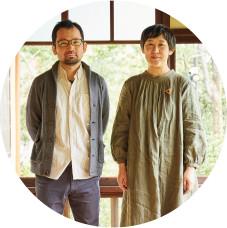
- Kinsuitei Owner
- Hisashi Ikeda Satoshi & Takako Nakada
- Ikeda is the fifth-generation head of Kinsuitei, a long-established ryotei restaurant established in 1881. Ikeda was originally a programmer at a game company. He met his wife, the daughter of the previous head of Kinsuitei, and after several years he became the head of Kinsuitei. He loves Kinsuitei and Nagaokakyo, and through kaiseki cuisine he strives to preserve and develop Japanese culture, bamboo culture and the architecture of Kinsuitei.
Access
10 minutes by train and 5 minutes by taxi from Kyoto Station
The marker shows the approximate area.
The exact address will be provided when your reservation is confirmed.
Experiences
- Reserve
Private Kyoto Kaiseki & Kinsuitei Architecture Tour
32,900 JPY / person 〜Dine at Kinsuitei, a historic ryotei beside Hachijogaike Pond at Nagaoka Tenmangu Shrine, and discover how Kyoto cuisine, landscape, and architecture have developed together. Begin with a seasonal kaiseki meal prepared from carefully selected ingredients; Kinsuitei’s celebrated bamboo-shoot cuisine is featured in spring.
After the meal, architects experienced in the preservation and restoration of traditional buildings guide you through Kinsuitei’s structures from different periods. Access to normally closed areas may be possible depending on conditions, but is not guaranteed. Please share dietary restrictions and allergies in advance so that suitable arrangements can be coordinated.
