- Immersive Cultural Experiences at Minase Jingu Shrine
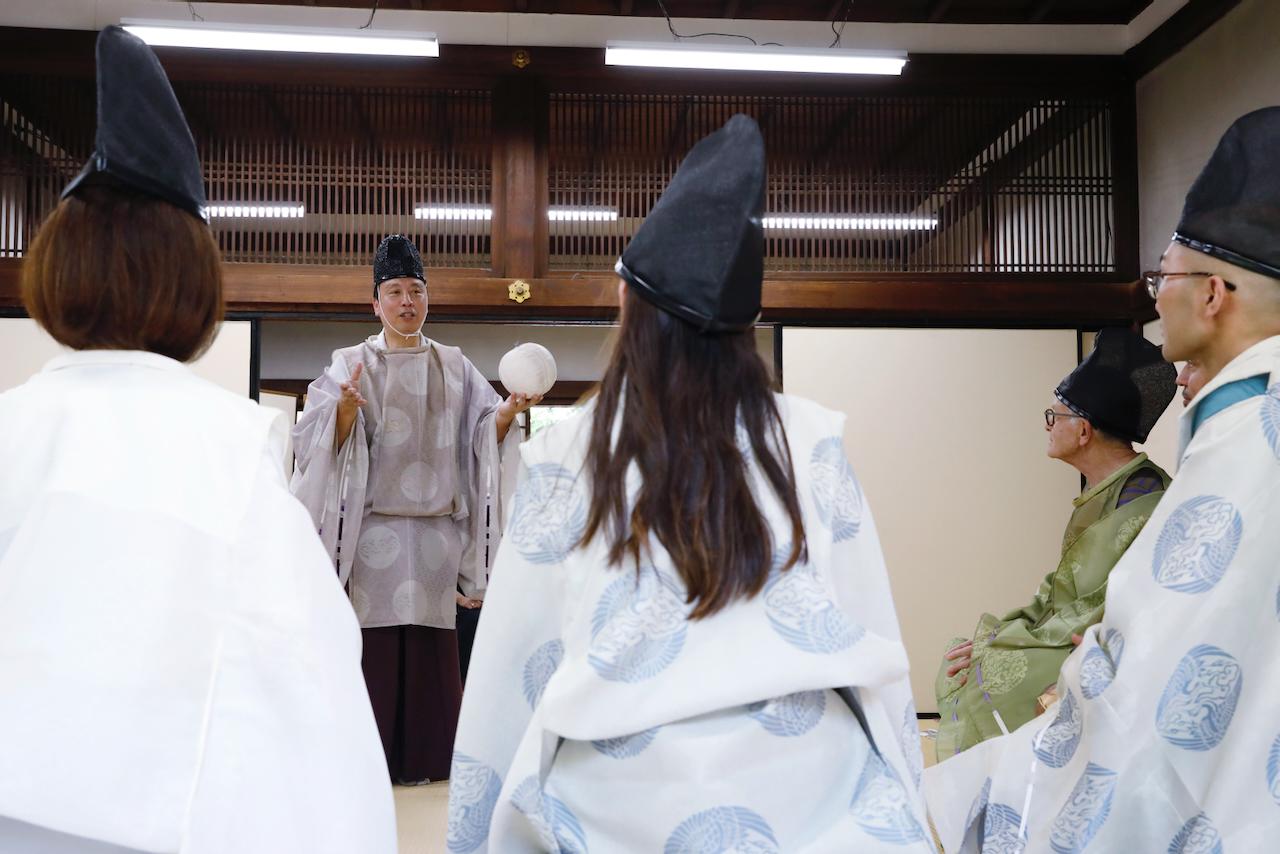
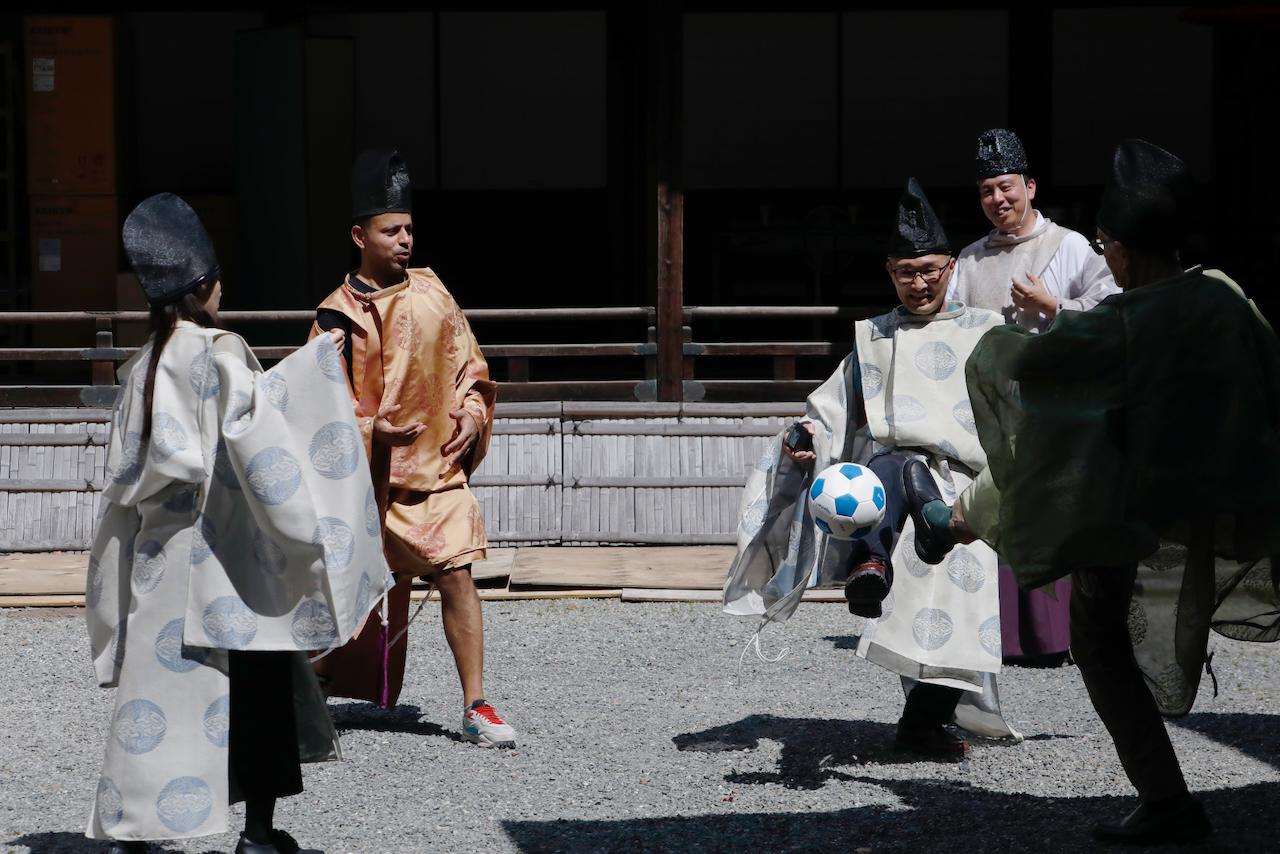
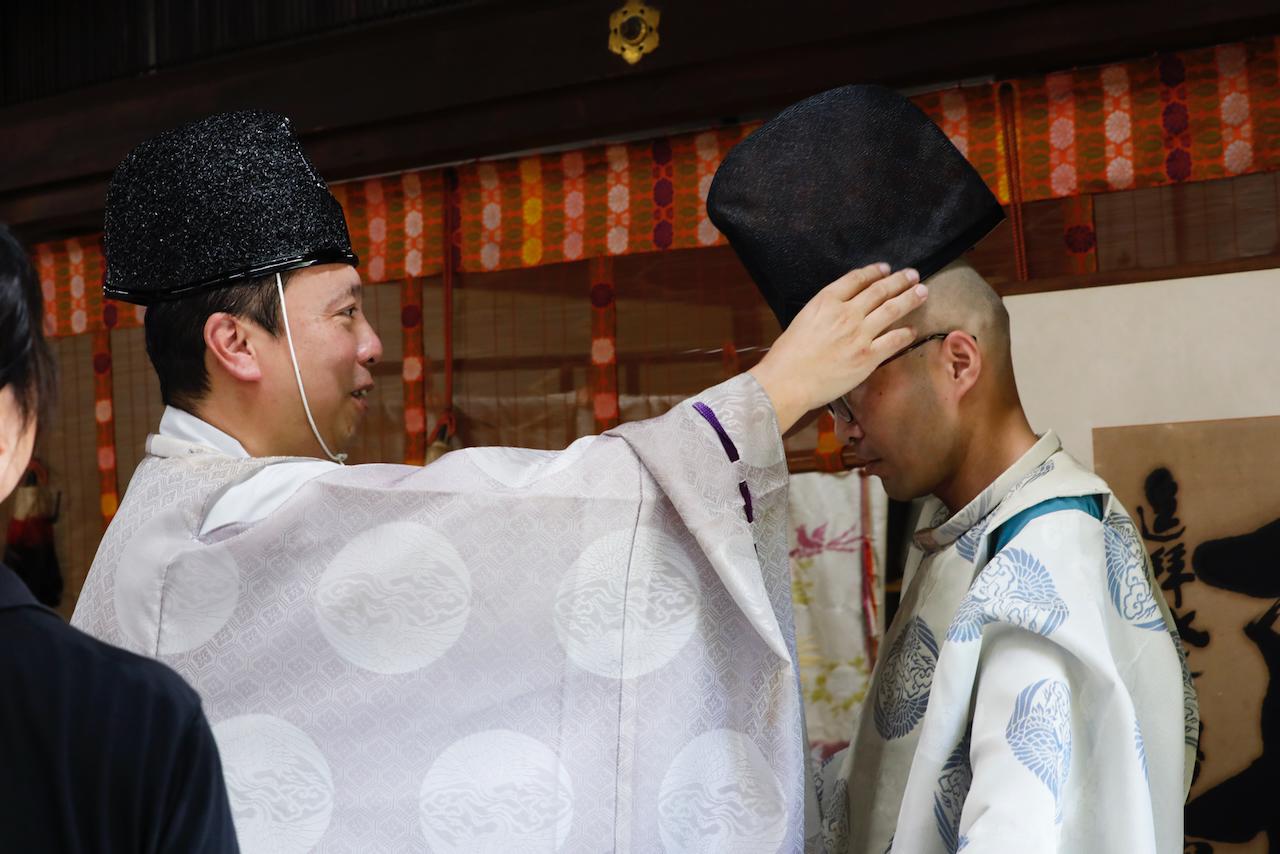
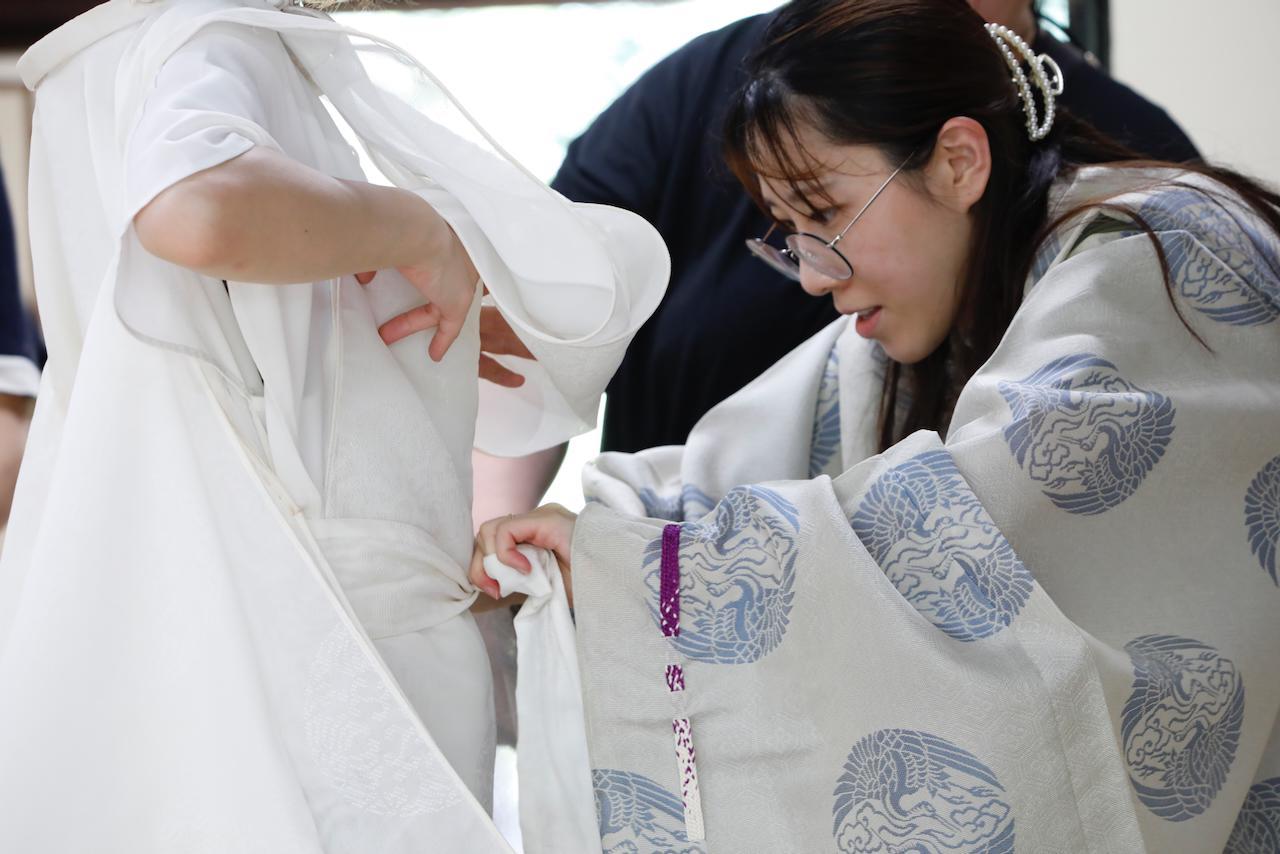
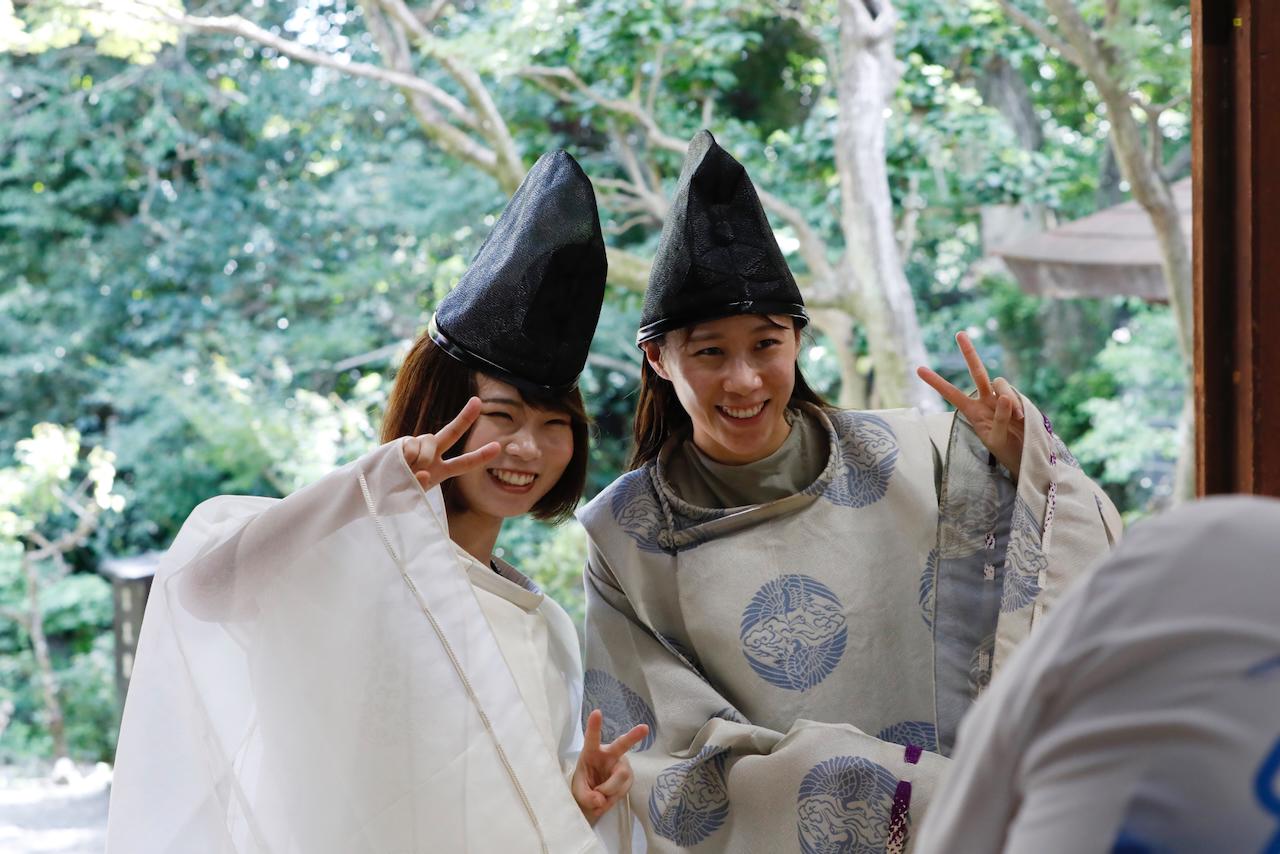
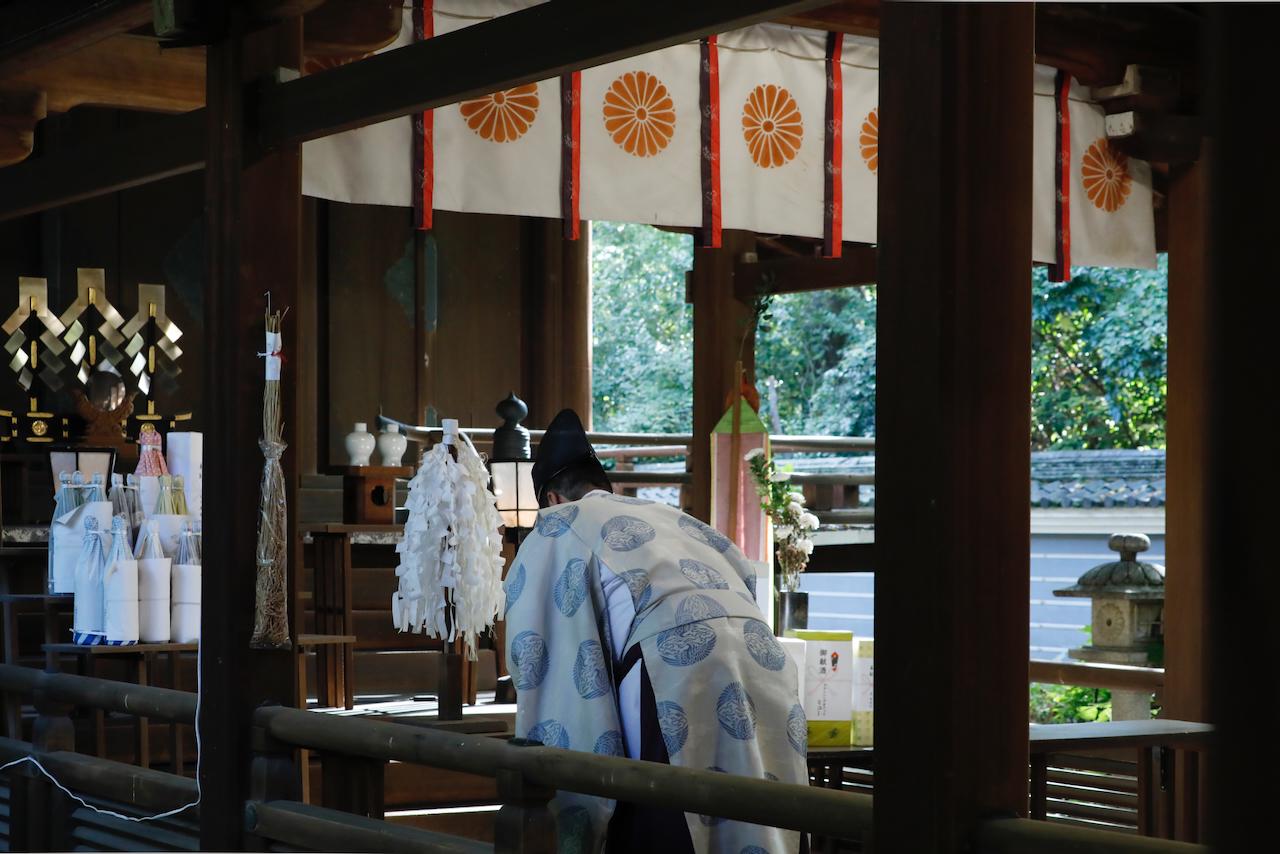
Your experience at Minase Jingu Shrine begins with the ancient tradition of kemari, the ball game once enjoyed by nobles and the imperial family. Under the guidance of a shrine priest, you will wear the traditional kariginu attire, just as the shrine’s priests do. After learning the history and rules of kemari, you will participate in the game, passing the ball with distinctive calls and working together to keep it from touching the ground. The unique vocal calls and commands made during the game add to the excitement and grace of the experience, immersing you in the spirit of the ancient Japanese court.


Kemari and Sacred Water Tea at Minase Shrine
Flowing Water and Courtly Play
Between Kyoto and Osaka



Minase Shrine, founded more than 700 years ago, is closely linked to important episodes in Japanese history and is renowned for its exceptionally pure sacred water. Valued for centuries, this water continues to be used today in the production of Suntory whisky and beer.
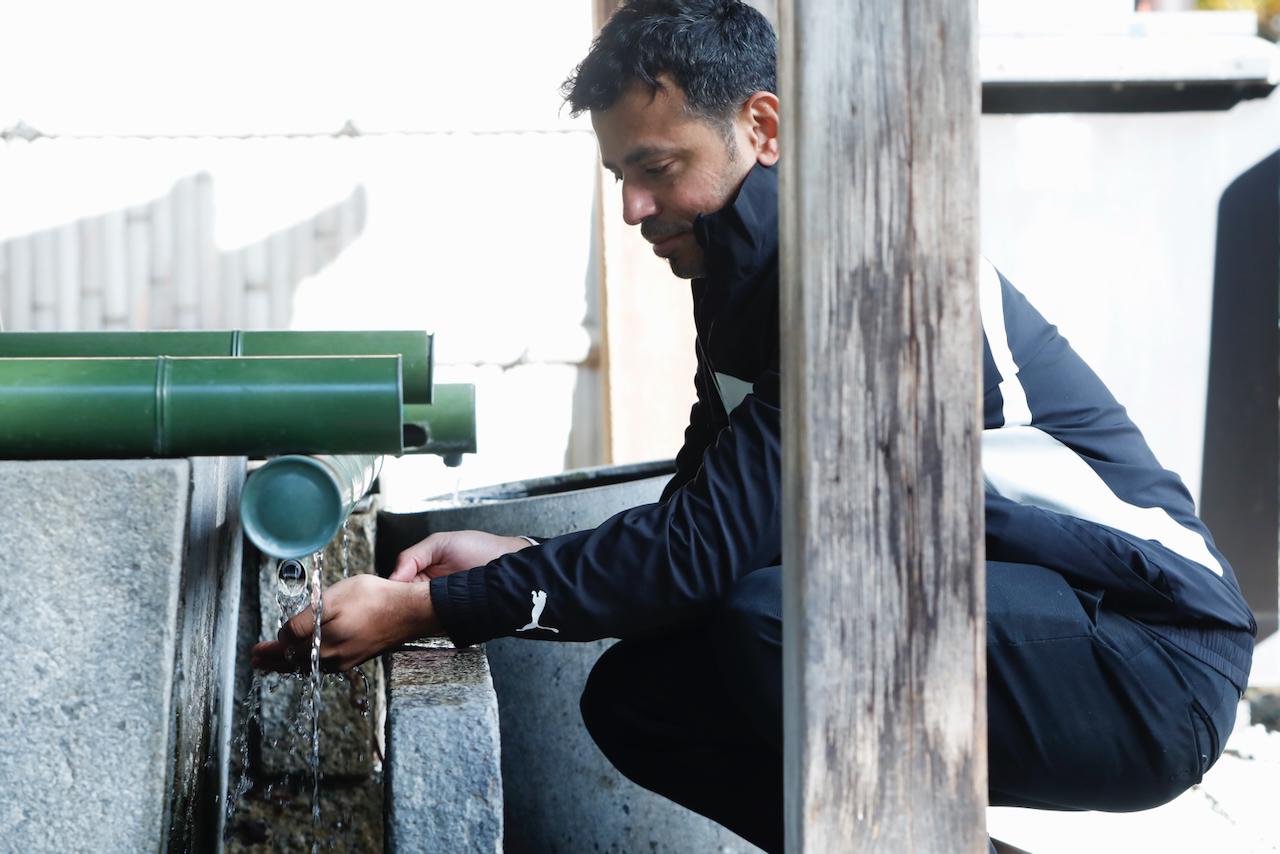
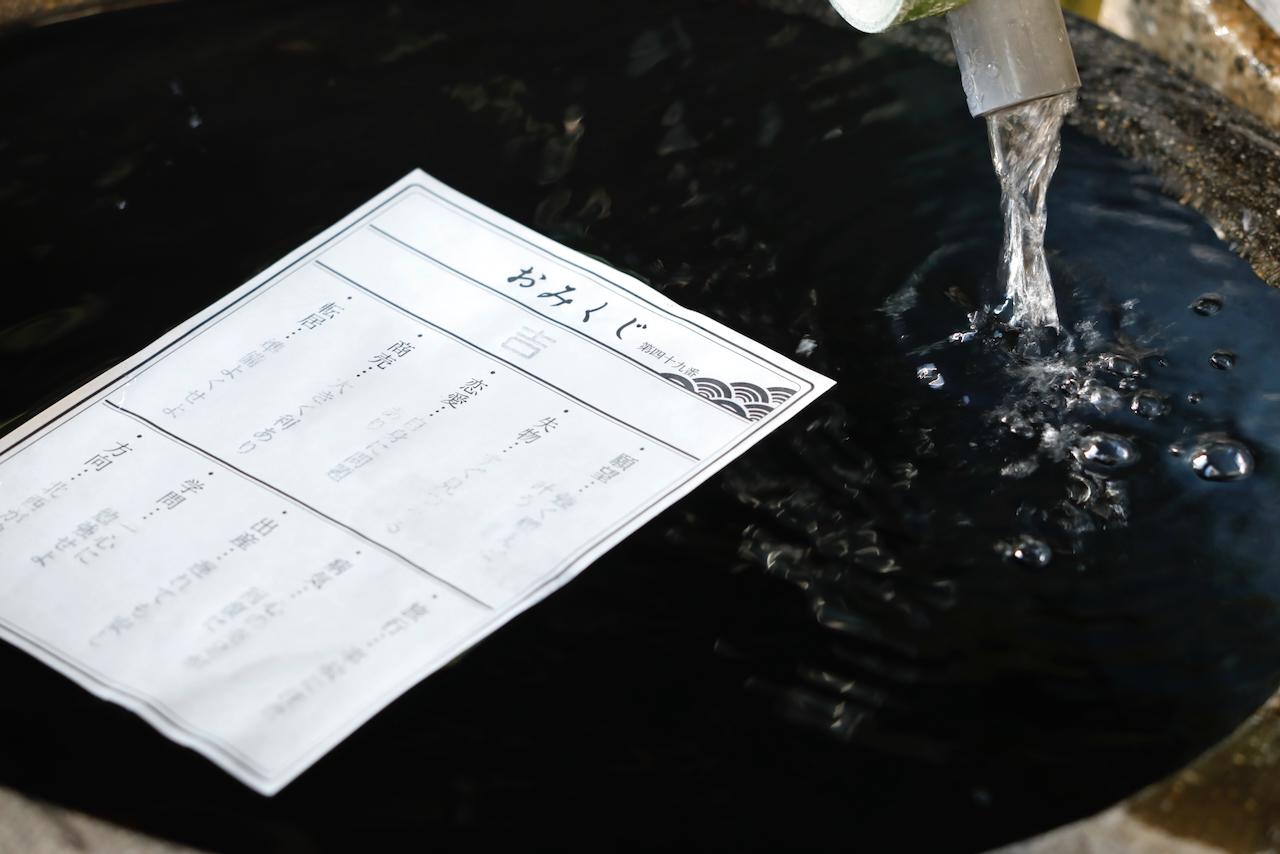
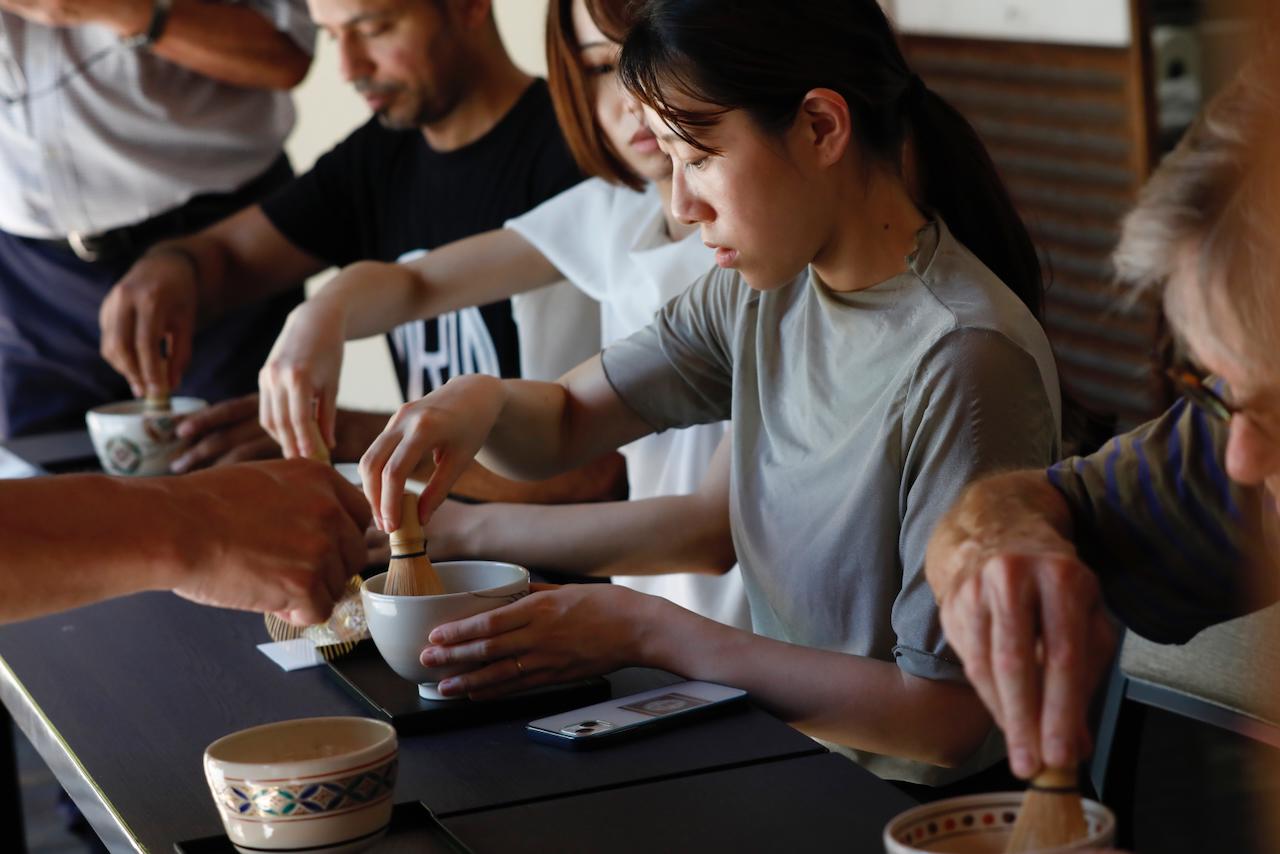
Using this same water, guests enjoy a tea experience and take part in a unique form of omikuji in which the fortune is revealed only when touched with water.
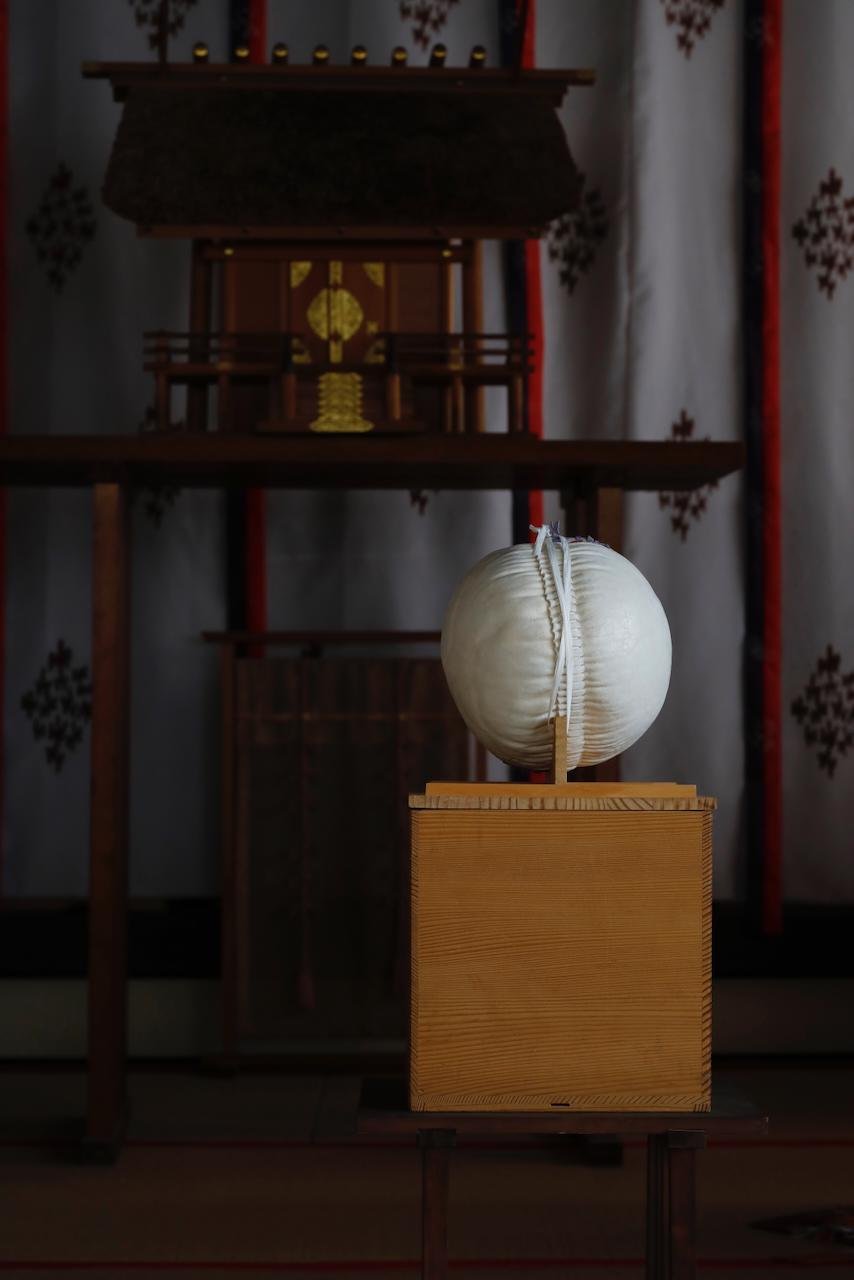
Visitors then experience kemari, a traditional ball game once practiced by aristocrats and members of the imperial court. Unlike modern competitive sports, kemari is played cooperatively rather than competitively, with participants working together to keep a leather ball in the air. Dressed in kariginu, traditional court attire, guests experience a form of elegant play that has been passed down for centuries.
Together, these experiences offer a gentle encounter with both the sacred and the playful dimensions of court culture, expressed through water, movement, and ritual within the living grounds of the shrine.



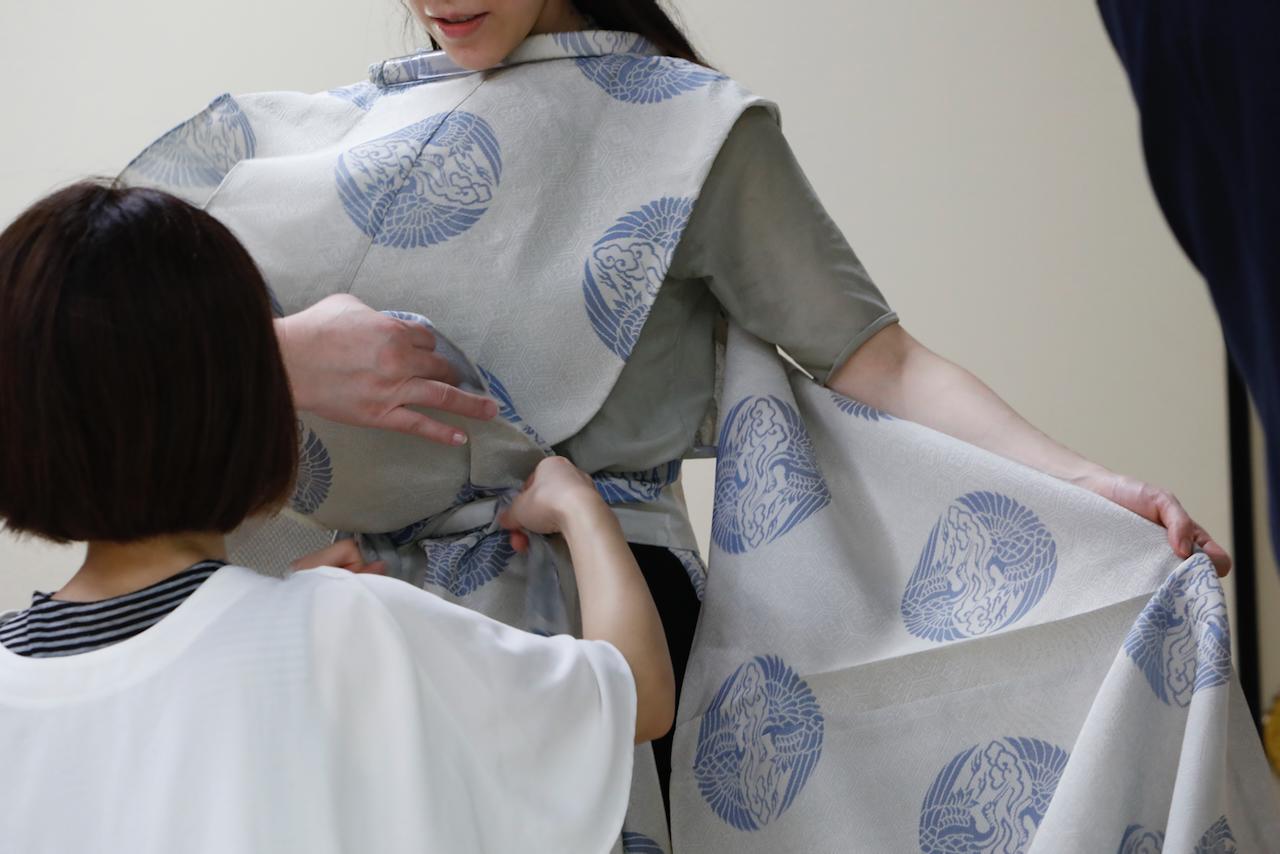

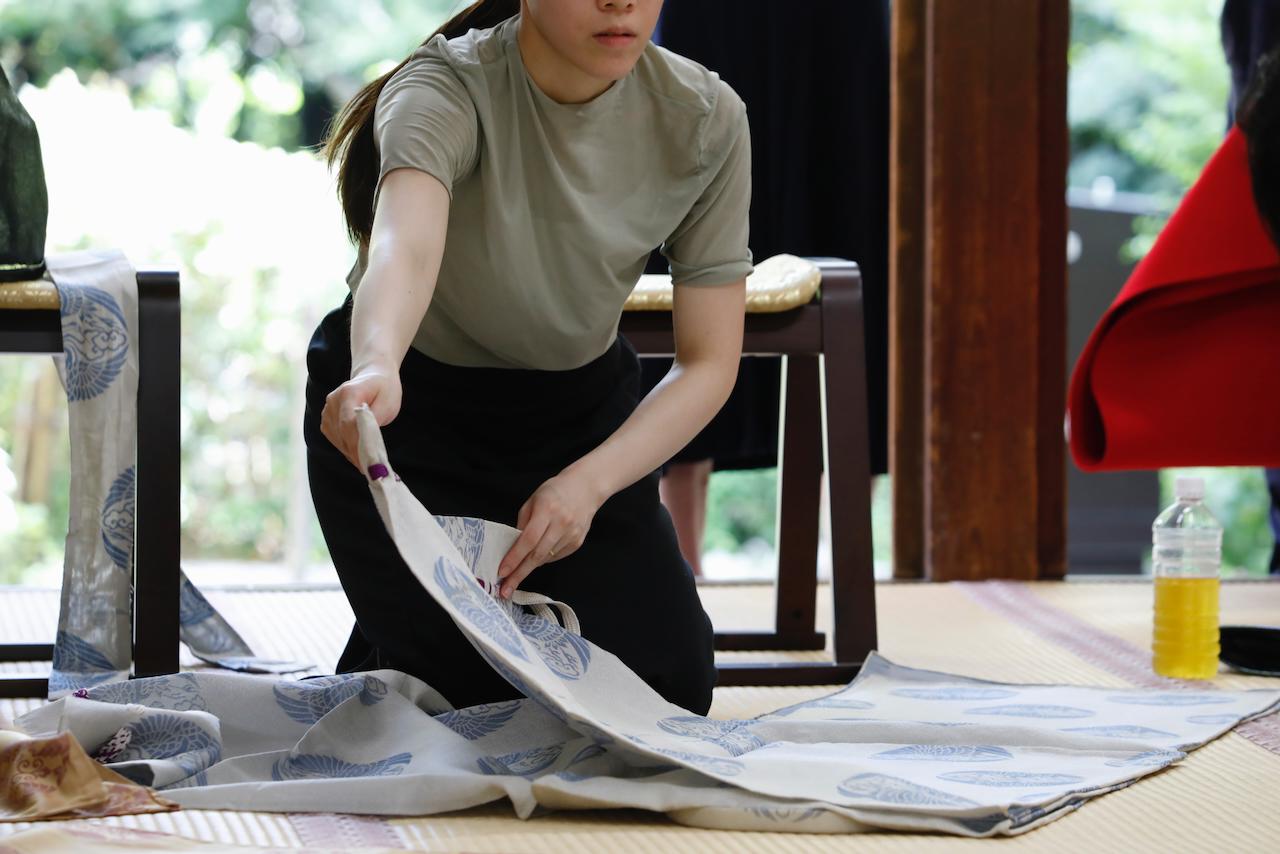
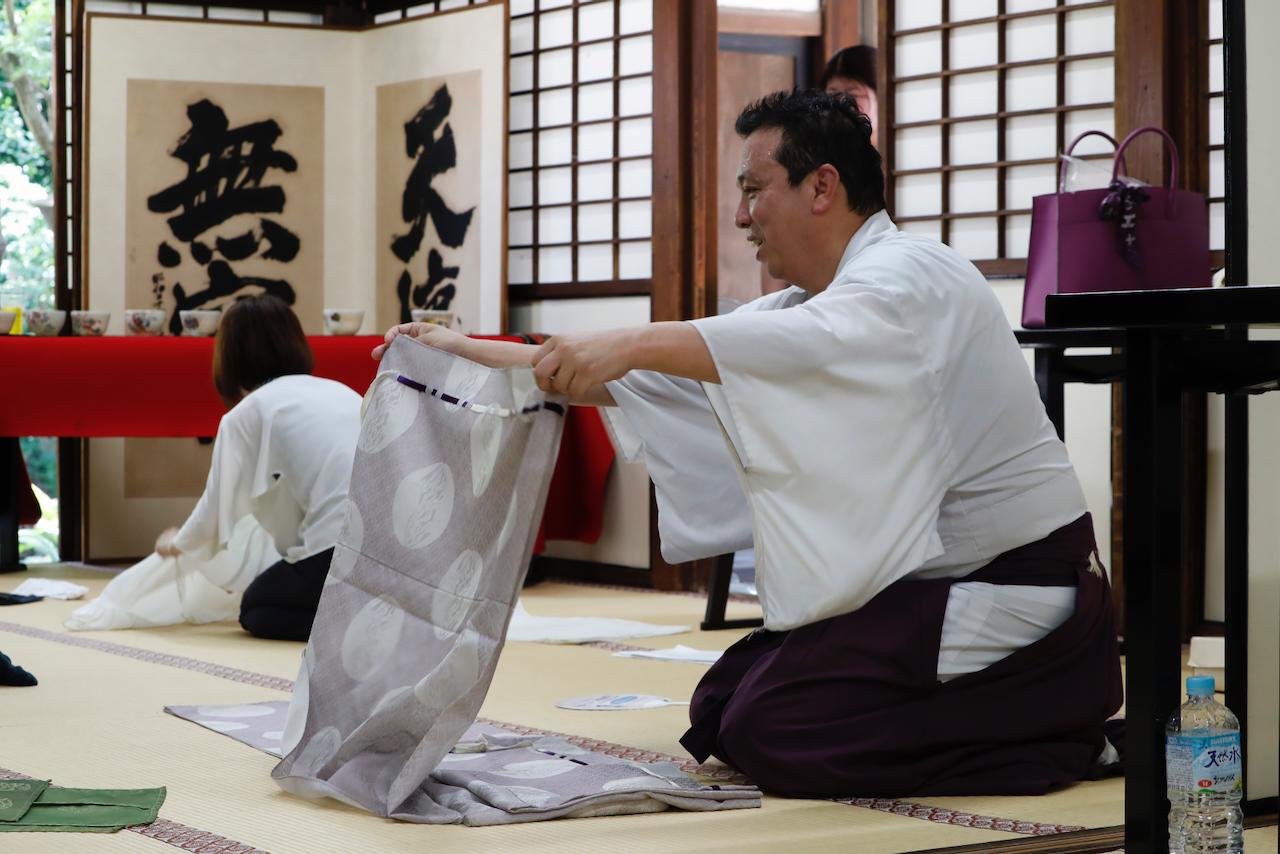
Following the kemari game, you will be guided by the shrine priests through the traditional process of folding the kariginu attire, completing the full ritual of preparation and participation. This final step allows you to appreciate the care and respect given to these ceremonial garments.
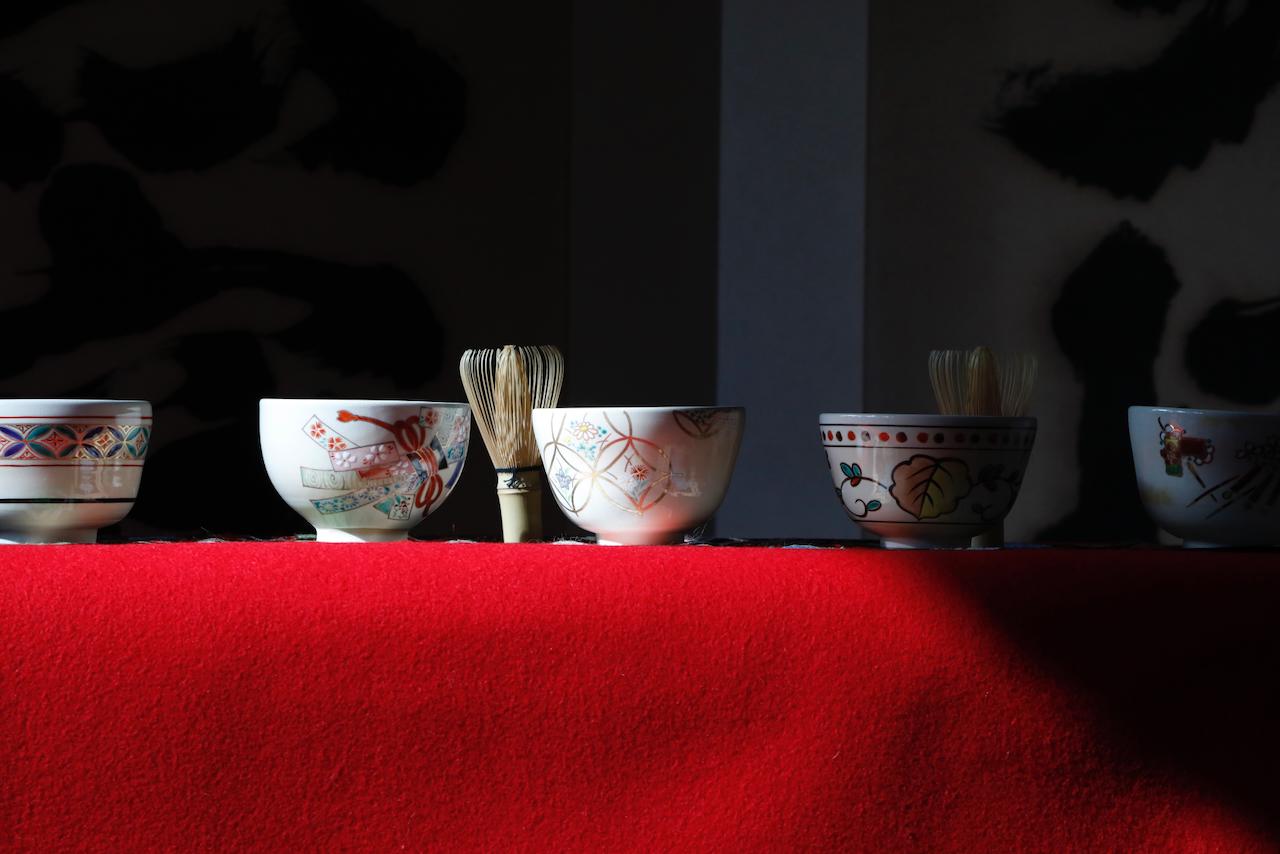
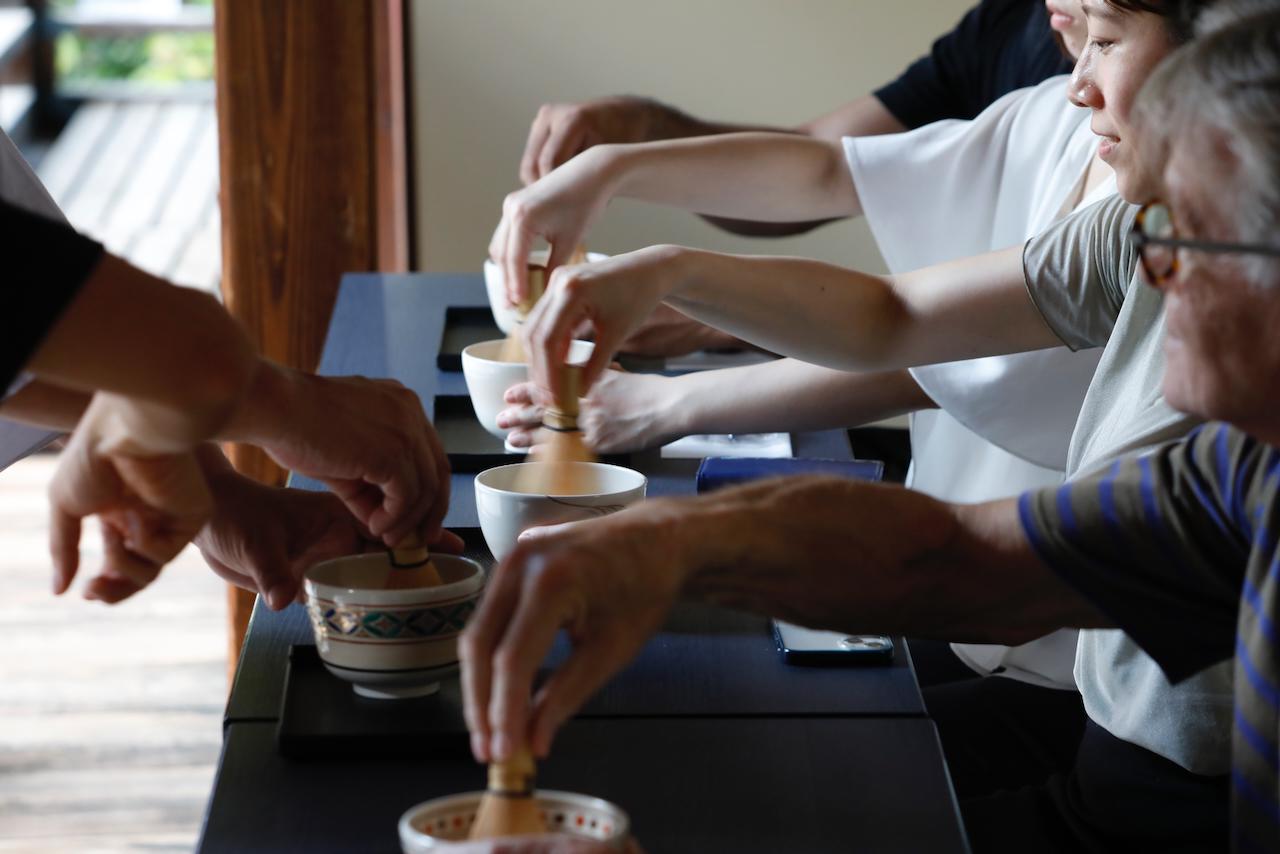
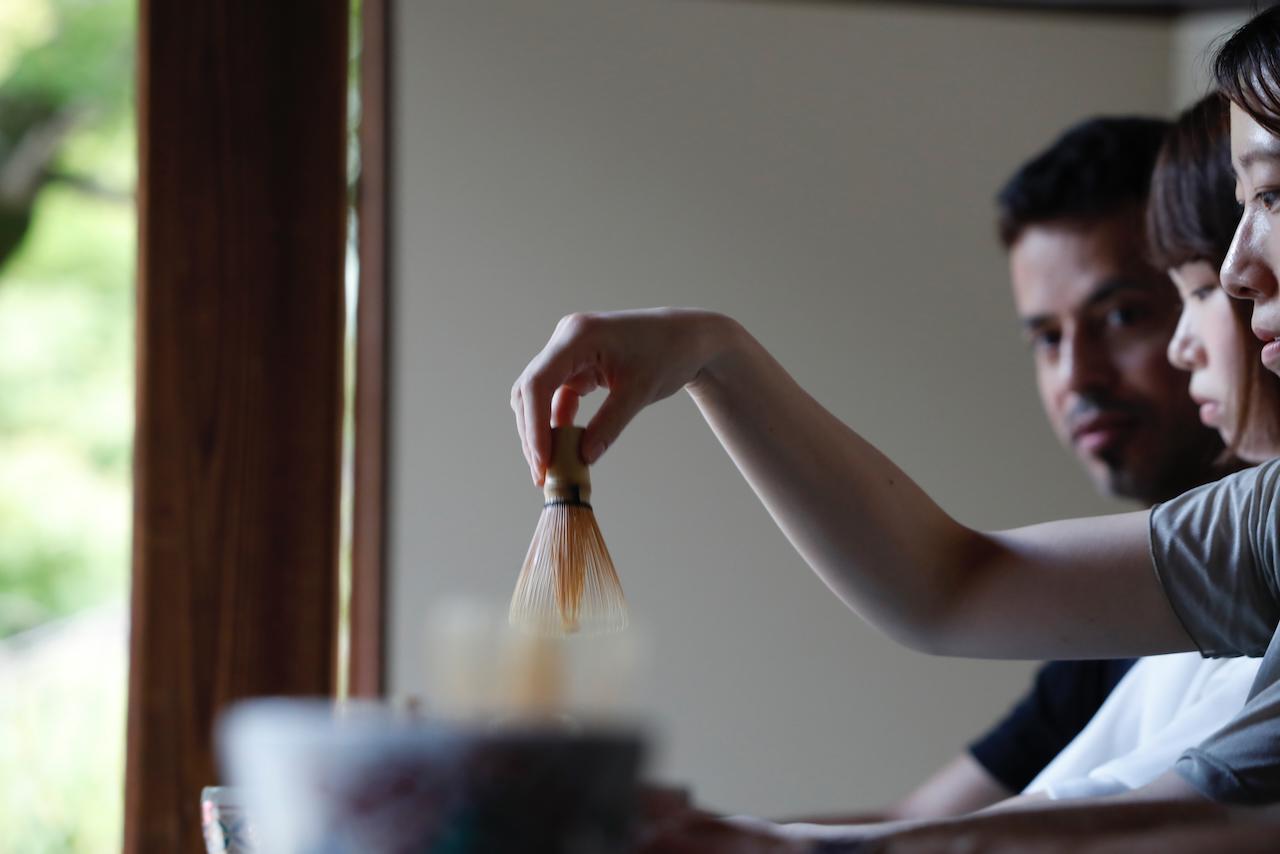
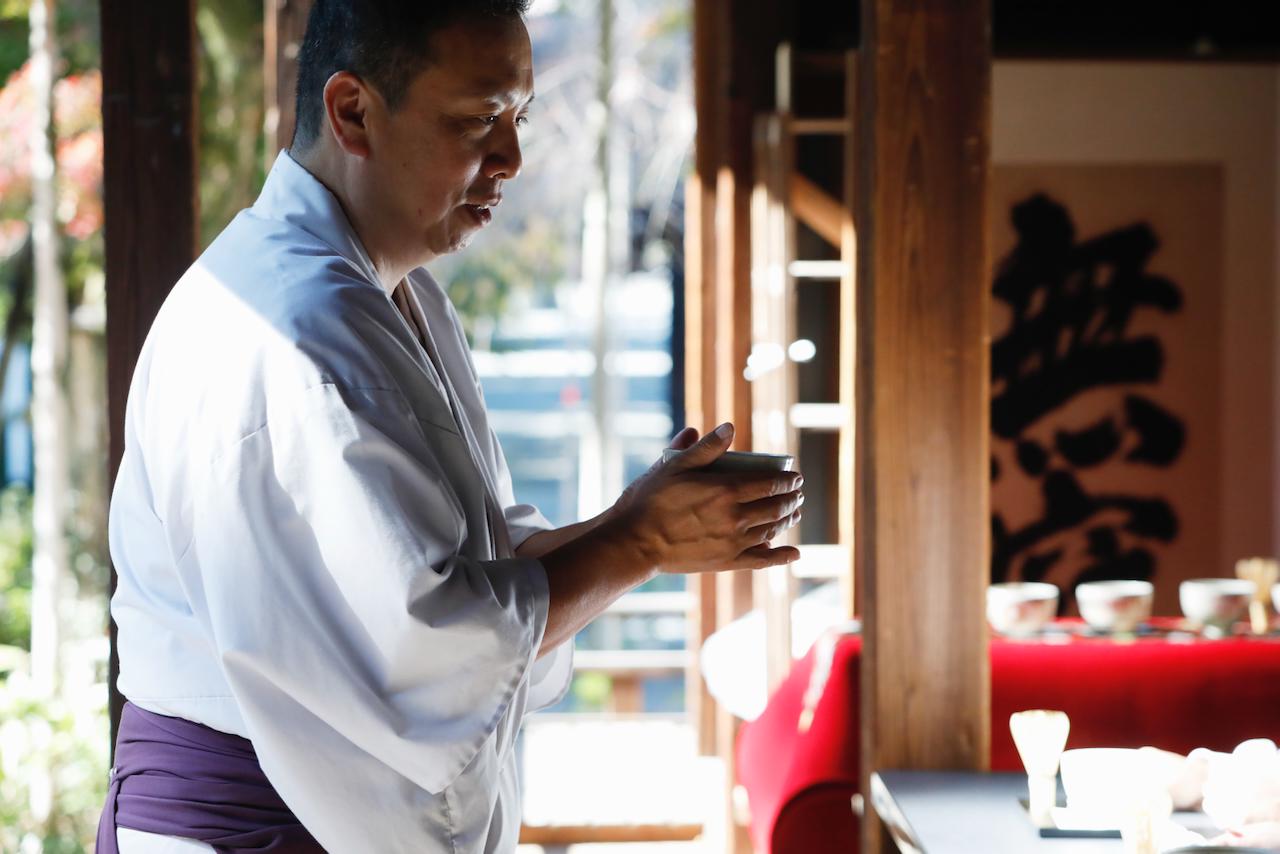
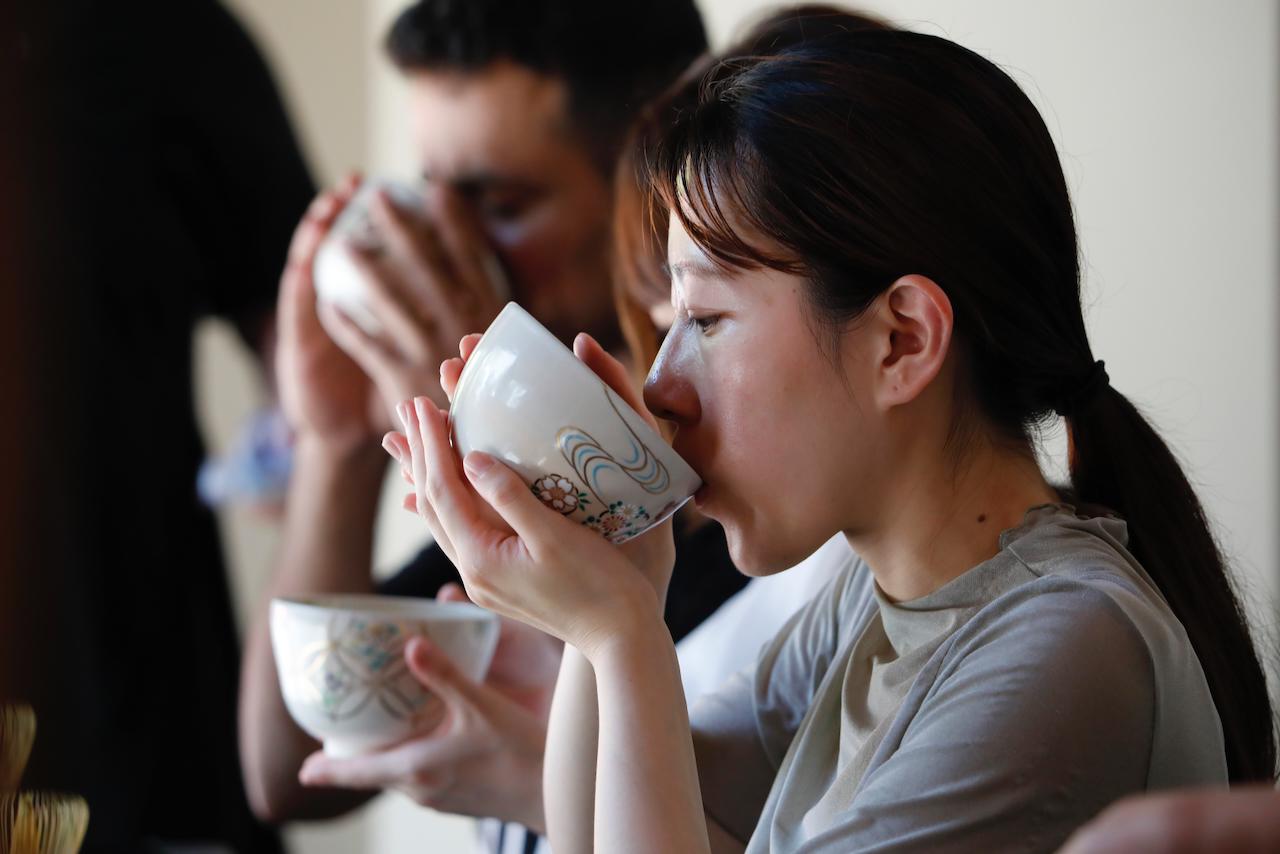
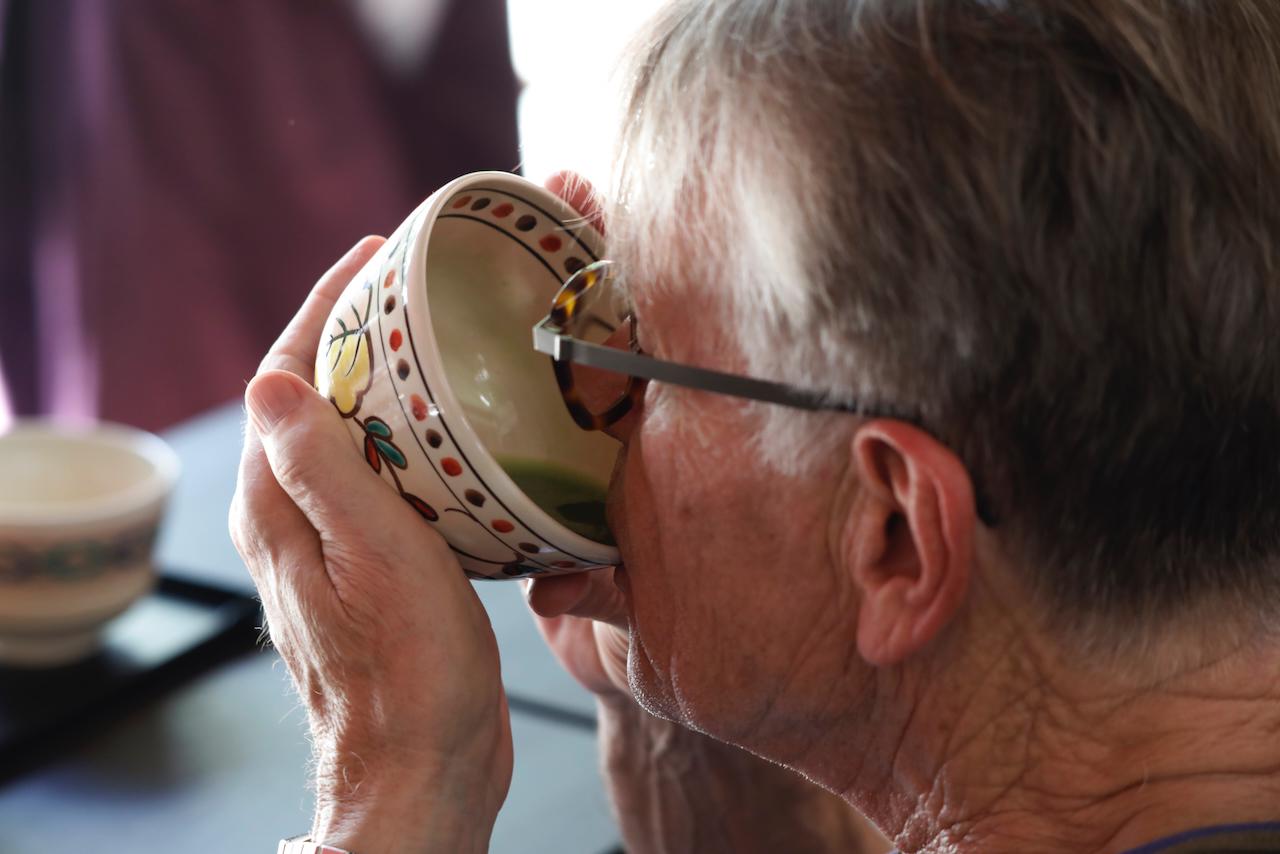
Afterward, you will take part in a traditional tea ceremony, where the sacred water of Minase Jingu Shrine is used to prepare matcha. This peaceful ritual offers a moment to appreciate the artistry and tranquility of Japanese culture, completing your journey at the shrine.
- The Place Loved by Emperor Go-Toba
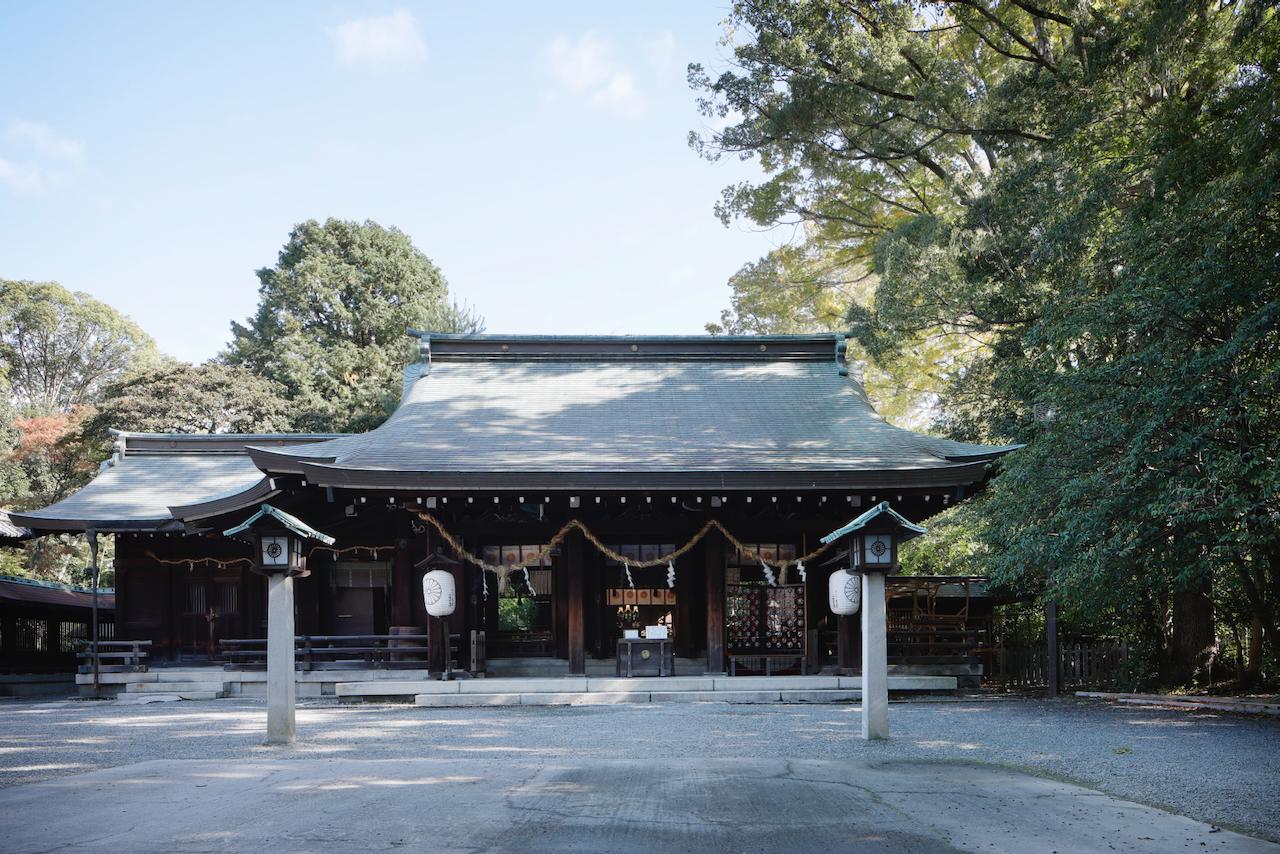
Minase Jingu Shrine, established over 700 years ago, is steeped in history and cultural significance. The shrine was built on the site of Emperor Go-Toba’s imperial villa, a place he cherished deeply. Over 800 years ago, Emperor Go-Toba frequently visited Minase, engaging in diverse activities such as poetry, dance, kemari, and tea ceremonies.
After his exile to Oki Island due to his involvement in a civil war, Minase Shrine was constructed to honor Emperor Go-Toba and two other emperors. The shrine holds the prestigious title of Jingū, a designation reserved for shrines closely associated with emperors.
Emperor Go-Toba was a multifaceted figure, excelling in both the arts and martial pursuits. Revered as a deity of scholarship and sports, he continues to inspire visitors to Minase Jingu Shrine. People come to pray for academic success, athletic achievement, and safe childbirth, ensuring that his legacy and the shrine’s cultural importance endure to this day.








- Minase Jingu Shrine
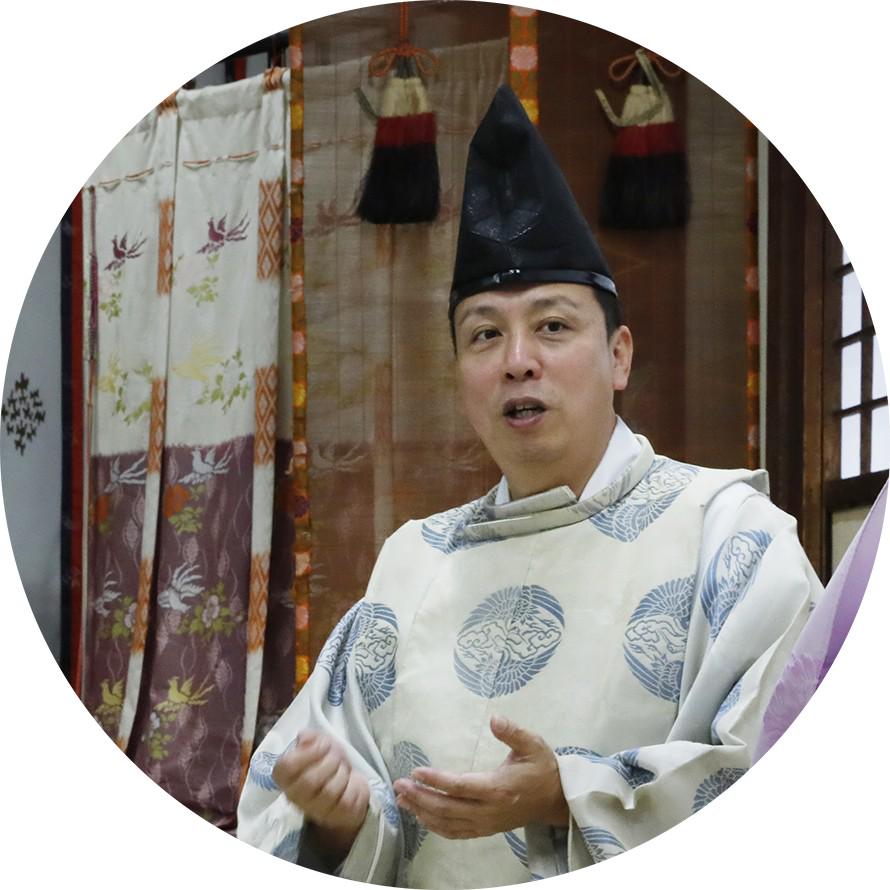
- Tsutomu Minase
- Established more than 700 years ago, Minase Jingu Shrine is closely associated with significant events in Japanese history.
Access
20 minutes by train and 5 minutes by taxi from Kyoto Station
The marker shows the approximate area.
The exact address will be provided when your reservation is confirmed.
Experiences
- Reserve
Kemari & Sacred Water Tea at Minase Jingu Shrine
28,500 JPY / personVisit Minase Jingu Shrine, founded more than 700 years ago on a site associated with Emperor Go-Toba, and encounter both the sacred and playful dimensions of Japanese court culture. Begin with purification and a tamagushi offering, which guests may choose to skip, then experience the shrine’s pure water through tea and a water-revealed omikuji fortune. Water from the same source found within the shrine grounds is also used in the production of Suntory whisky and beer.
Every participant can dress in kariginu court attire and learn kemari, the cooperative ball game once practiced by aristocrats and the imperial court. Rather than competing, participants work together to keep the leather ball in the air, discovering a form of elegant play shaped by movement, calls, and shared attention.
